




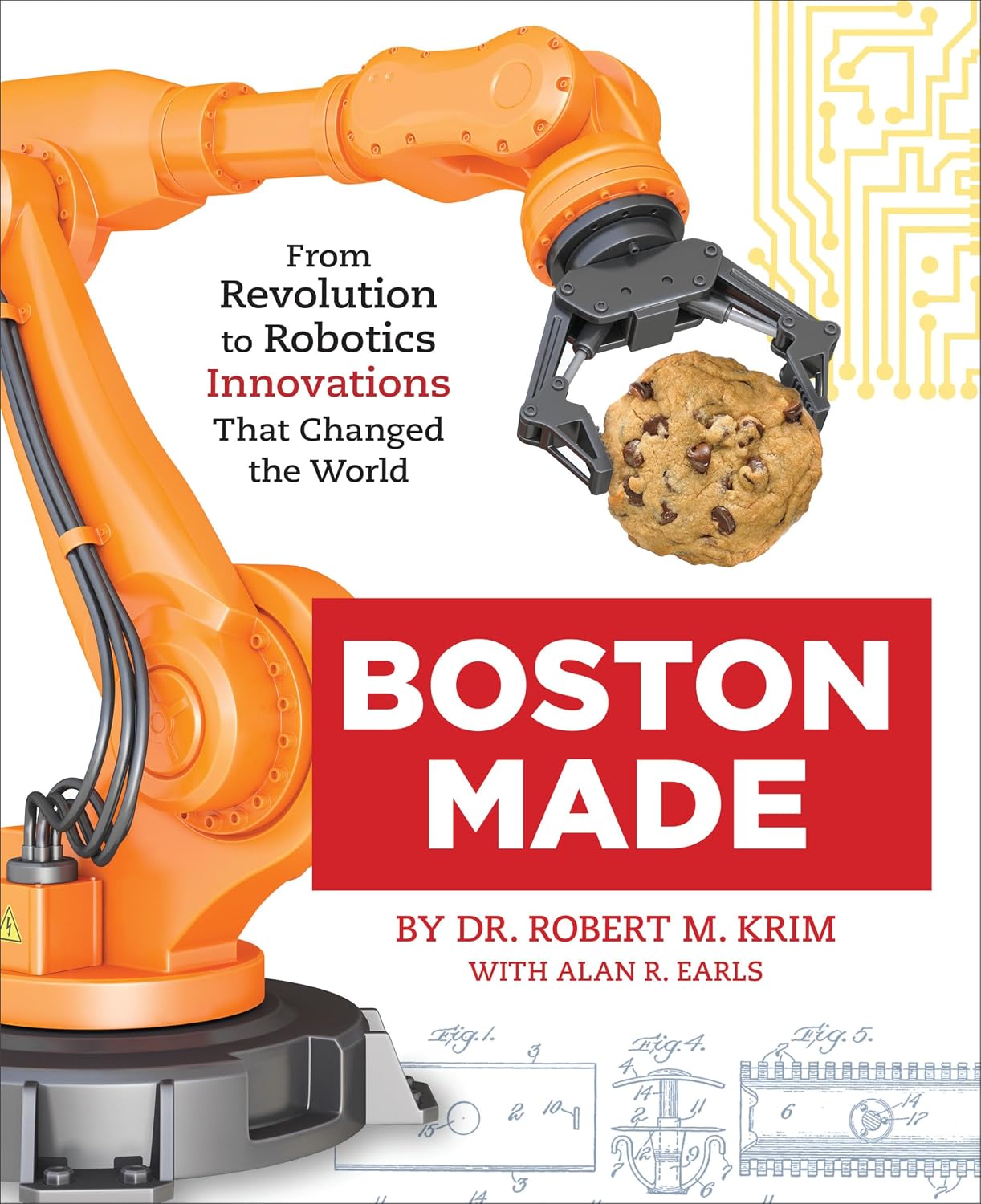
Featured Book: Boston Made: From Revolution to Robotics
By Dr. Robert M. Krim with Alan S. Earls

Boston Made Chronicles Boston’s West End became home to a thriving Jewish immigrant community in the late 1800s and early 1900s, with synagogues, markets, and mutual...

Boston Made Foundation Boston Made Foundation is one of the clearest examples of how the Boston Made portfolio is growing with purpose. Boston Made Foundation is...


BOSSTOX Momentum keeps building for BOSSTOX as part of the wider Boston Made family of brands. BOSSTOX is the financial technology brand focused on building modern...

Boston Made Chronicles Ralph Waldo Emerson, Margaret Fuller, and their circle turned Boston and nearby Concord into the center of American Transcendentalism in the 1830s and...


Boston Made Chronicles As secretary of the Massachusetts Board of Education in the 1830s, Boston-based reformer Horace Mann championed the “common school” movement, laying groundwork for...

Beacon Federal Partners Beacon Federal Partners is one of the clearest examples of how the Boston Made portfolio is growing with purpose. Beacon Federal Partners is...

BostonMade.io Momentum keeps building for BostonMade.io as part of the wider Boston Made family of brands. BostonMade.io is the ecosystem’s central digital platform, built to bring...

Boston Made Chronicles A group of Boston financiers known as the Boston Associates poured capital into New England textile mills in the early 1800s, industrializing the...

Boston Made Chronicles Chartered in 1811 and opened in 1821, Massachusetts General Hospital grew from a small Boston infirmary into one of the world’s leading teaching...

Boston Made Chronicles As Irish immigration reshaped the city, a nativist political movement known as the Know-Nothings surged to power in Massachusetts in the 1850s, revealing...



Twelve brands, one front door. Find the right Boston Made site in a couple of taps.
Open DiscoverEvery story from every Boston Made site lands in the Reader within a minute of going live.
Open ReadShop the Boston Made store, PUPWEAR gear for dogs and the Boston Made Pets shop.
Open ShopFollow the Where's Taylor? trail across the network or play the Boston Made Arcade. Fan-made and just for fun.
Open PlayOne free Boston Made Account works on every site. Boston Made+ is the optional paid membership for members-only stories, tools and perks.
Open CommunityWebsites, software and business services, plus the company behind the network and investor information.
Open Work with us