









The latest stock-market headlines from The Associated Press. Headlines link to the original reporting on apnews.com.


 Boston Made family
Pupwear
Dog apparel and gear inspired by Boston the GoldenDoodle. Visit site →
Boston Made family
Pupwear
Dog apparel and gear inspired by Boston the GoldenDoodle. Visit site →
 Kingswell
Lumo
Precious-metals education and a two-sided gold exchange with a live gold price. Visit site →
Kingswell
Lumo
Precious-metals education and a two-sided gold exchange with a live gold price. Visit site →
 Boston Made family
Keep Up With Nate
The personal site of Boston Made founder Nathan Strickland. Visit site →
Boston Made family
Keep Up With Nate
The personal site of Boston Made founder Nathan Strickland. Visit site →
 Boston Made family
Boston Made Reader
Free e-reader app for long reads, wires and books. Visit site →
Boston Made family
Boston Made Reader
Free e-reader app for long reads, wires and books. Visit site →
 Boston Made family
Fenway Web
Web design, development and SEO studio — custom websites for small businesses, churches and local brands. Visit site →
Boston Made family
Fenway Web
Web design, development and SEO studio — custom websites for small businesses, churches and local brands. Visit site →
 Boston Made family
PupWear (.org)
Dog apparel and gear inspired by Boston the GoldenDoodle. Visit site →
Boston Made family
PupWear (.org)
Dog apparel and gear inspired by Boston the GoldenDoodle. Visit site →
 Boston Made family
Kingswell Strategic Ventures
Holding company that owns Boston Made, Inc. and Paxton-Digital, and sets long-term strategy. Visit site →
Boston Made family
Kingswell Strategic Ventures
Holding company that owns Boston Made, Inc. and Paxton-Digital, and sets long-term strategy. Visit site →
 Boston Made family
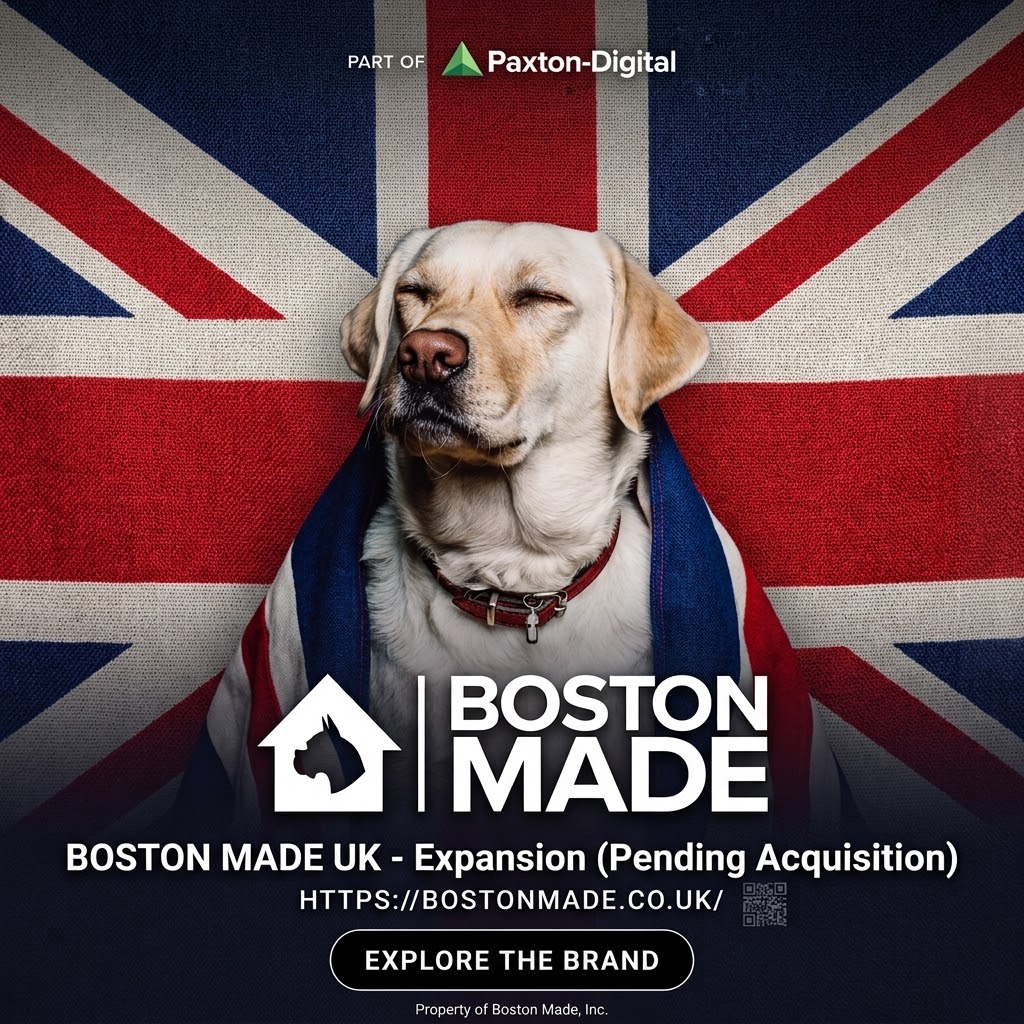
Boston Made UK
Boston Made across the Atlantic. Visit site →
Boston Made family
Boston Made UK
Boston Made across the Atlantic. Visit site →
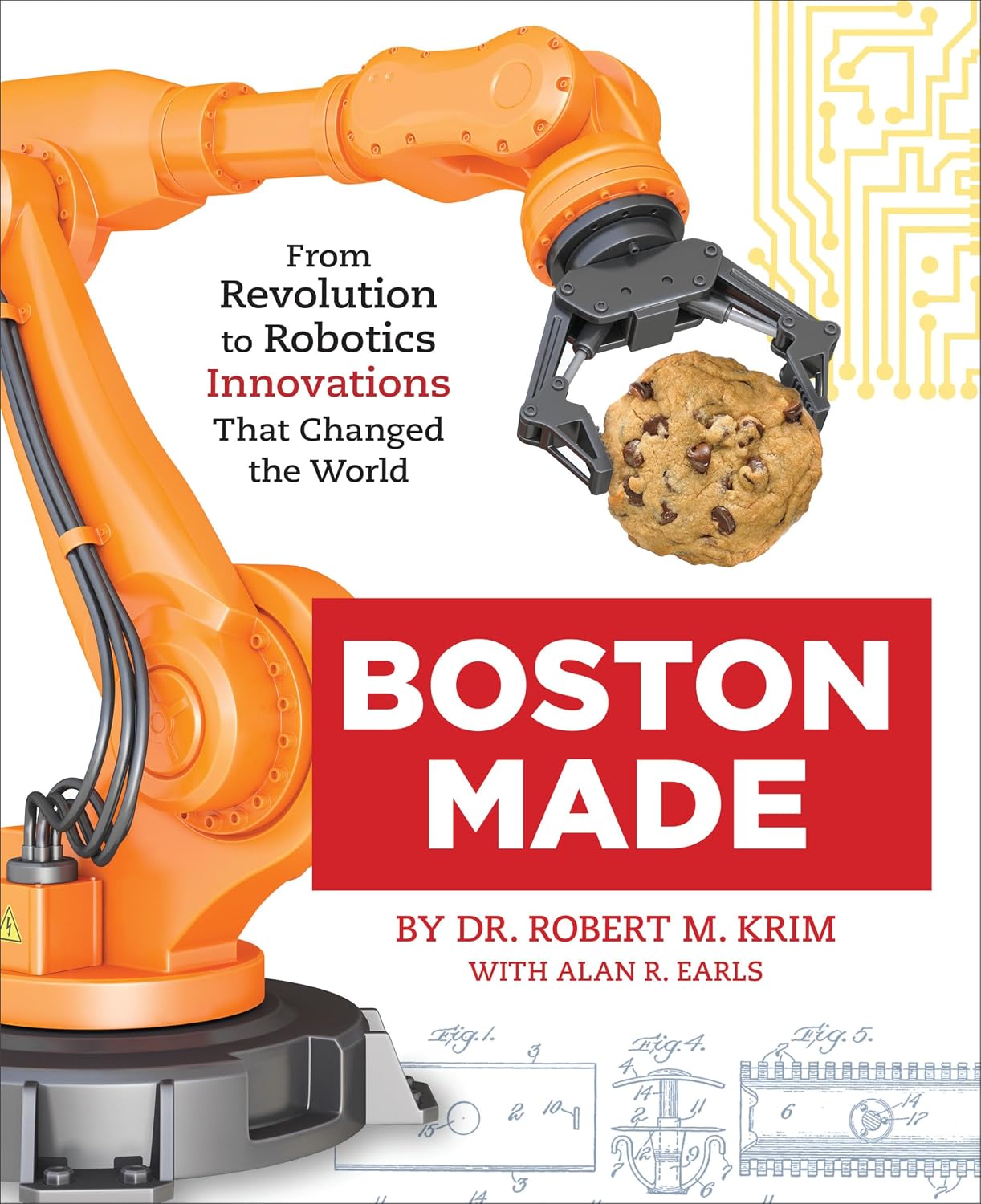
Featured Book: Boston Made: From Revolution to Robotics
By Dr. Robert M. Krim with Alan S. Earls

The week of October 19 across the Boston Made family: a rotating front door on bostonmade.com, Fenway Web relaunched, Lumo rebuilt as a gold exchange, BOSSTOX...


CSB Theatres, formed by longtime employees, now owns the 1914 landmark. A $90,000 GoFundMe is meant to chip away at the debt, and a nonprofit is...
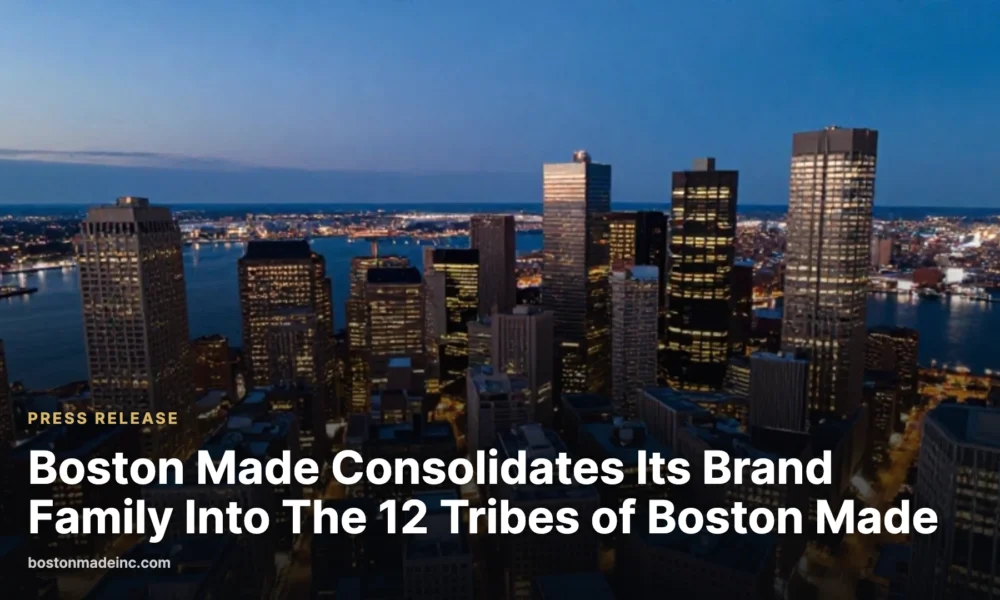
Every tribe site now carries the same network bar, 12 Tribes footer and Invest button, served live from bostonmade.com. Visitors can move between all twelve sites...
The flagship homepage now opens on a Boston drone film with live weather and scores, searches stories across all 12 tribes, and lets readers open any...
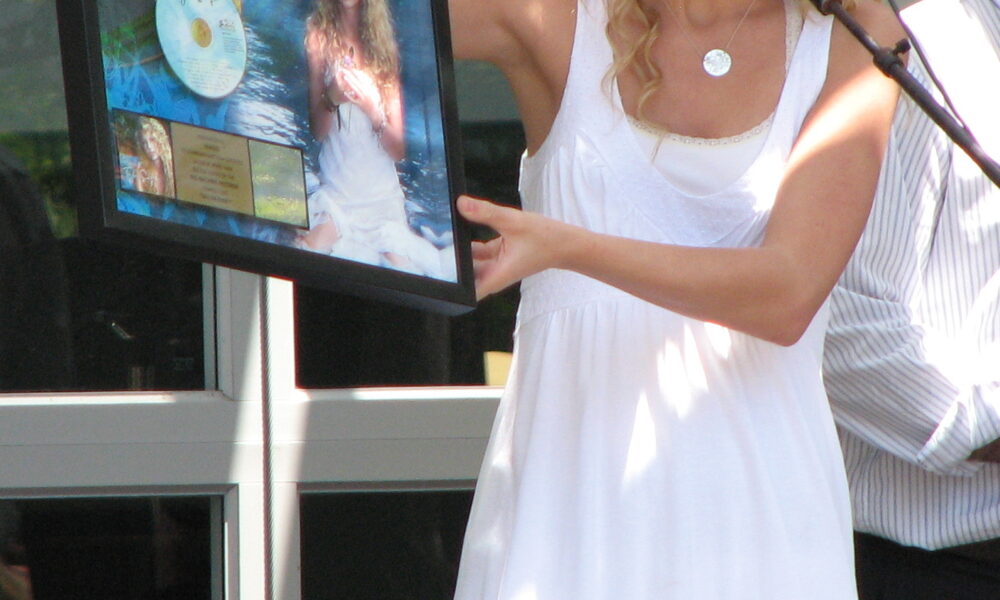

On October 24, 2006, a 16-year-old songwriter released her debut album. Twenty years later, here is how Taylor Swift’s first record was made, how it climbed...



Eleven songs from the 2006 debut, head-to-head, until one is left standing. Plus where things stand on a debut Taylor’s Version. Part five of our Countdown...



Fenway Web field note — October 21, 2026. A polished homepage is helpful, but a modern business website has to do more than look good. It...


Boston Made Newsroom — October 21, 2026 Today’s newsroom is active across Boston Made’s editorial, sports, culture, and company desks. This briefing is a guide to...



Shawn Oliver's exit, a 30-121 House vote against a gas tax holiday and a 22-point Healey lead reshape the final days of the Massachusetts governor's race.
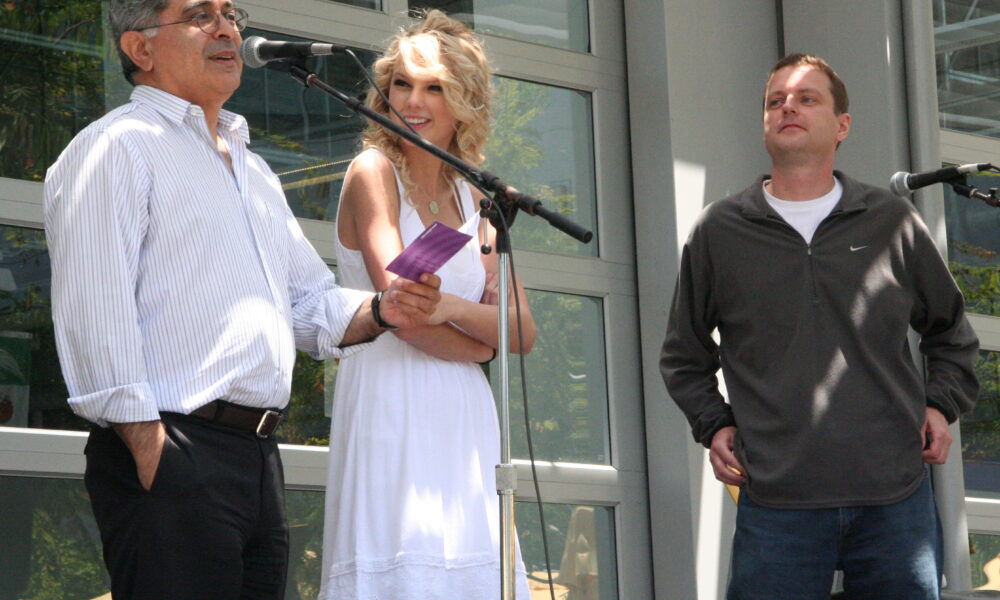

A six-month radio tour, a Myspace page and opening slots for Rascal Flatts, George Strait, Brad Paisley and Tim McGraw and Faith Hill. How the debut...


Twelve brands, one front door. Find the right Boston Made site in a couple of taps.
Open DiscoverEvery story from every Boston Made site lands in the Reader within a minute of going live.
Open ReadShop the Boston Made store, PUPWEAR gear for dogs and the Boston Made Pets shop.
Open ShopFollow the Where's Taylor? trail across the network or play the Boston Made Arcade. Fan-made and just for fun.
Open PlayOne free Boston Made Account works on every site. Boston Made+ is the optional paid membership for members-only stories, tools and perks.
Open CommunityWebsites, software and business services, plus the company behind the network and investor information.
Open Work with usOn Facebook
The latest posts from our Facebook Page, updated automatically.