
Entrepreneurship
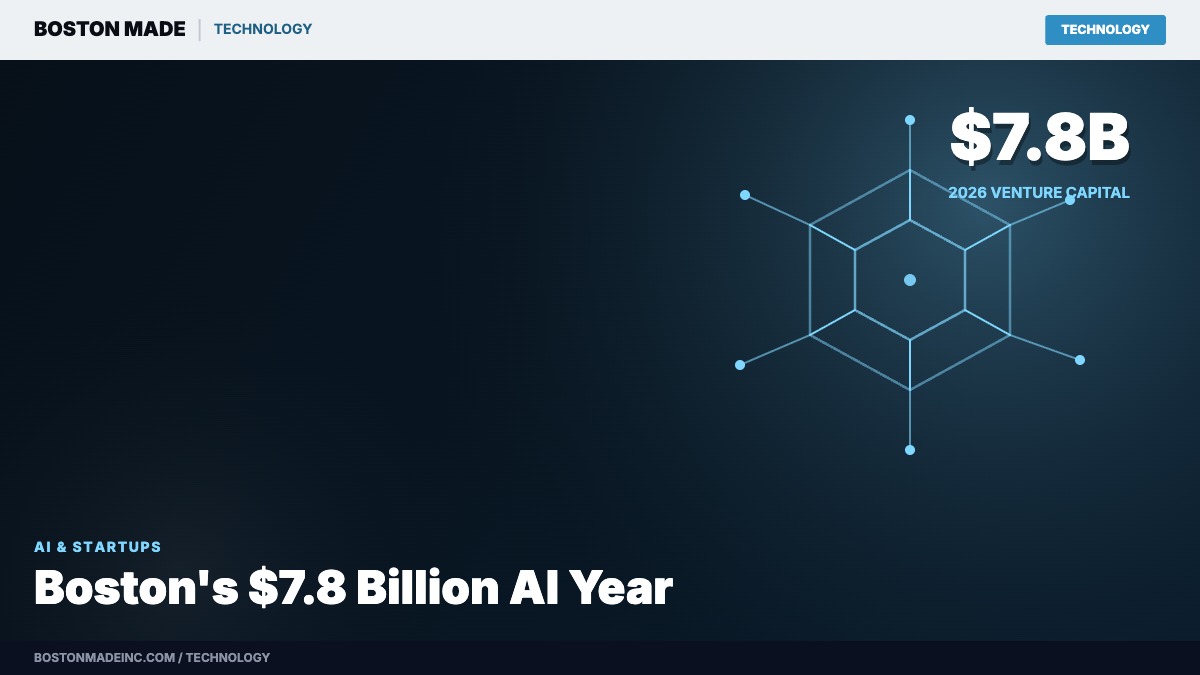
Inside Boston’s $7.8 Billion AI Year: Walden Robotics, Blitzy, and Whoop Lead a Different Kind of Boom










Banking & Finance
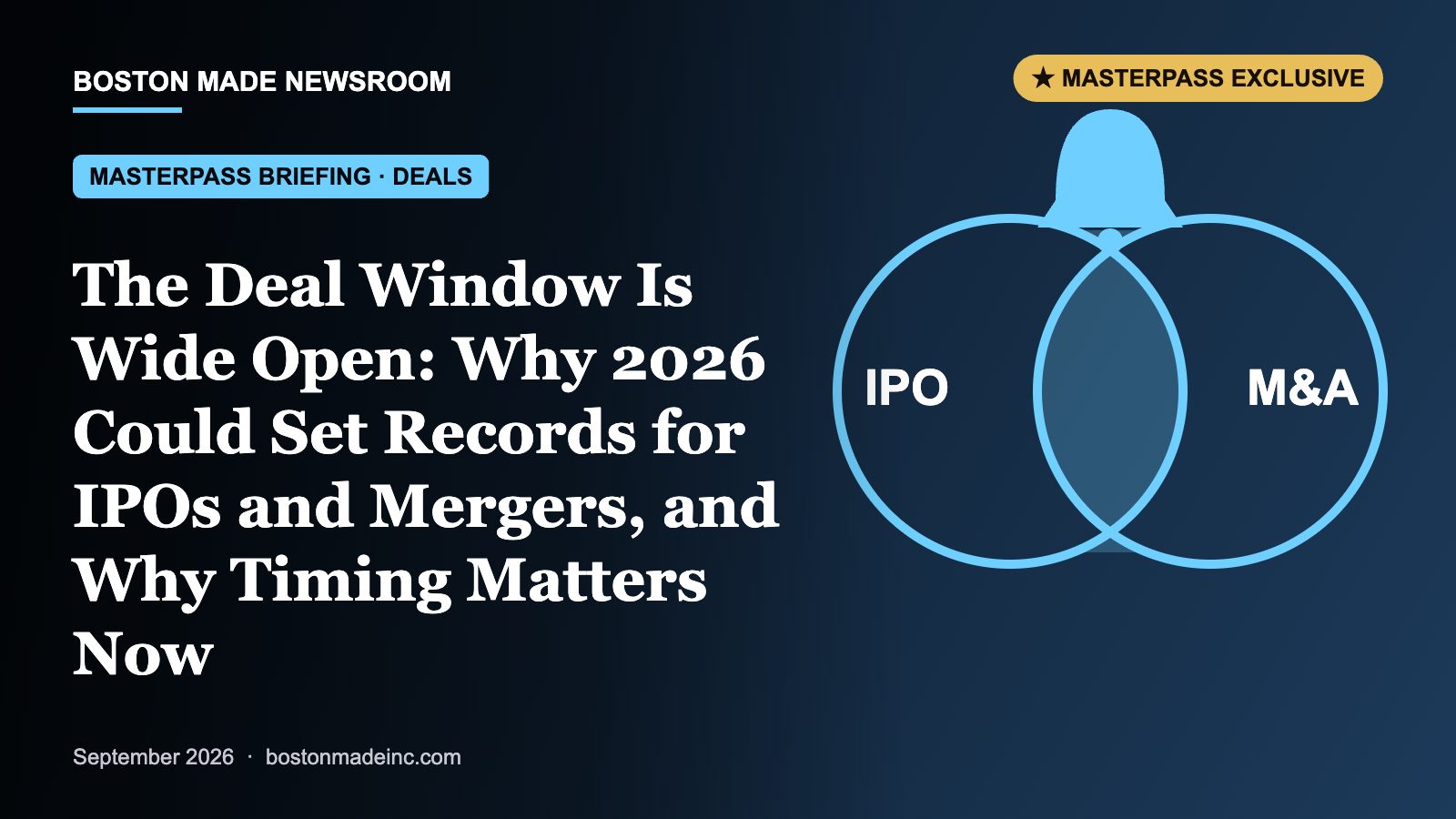
The Deal Window Is Wide Open: Why 2026 Could Set Records for IPOs and Mergers, and Why Timing Matters Now
A Masterpass briefing: JPMorgan says dealmaking could hit an all-time record this year. What’s driving it, what could shut the window, and how founders and owners should prepare now.
Boston Made, Inc.Office of the Founder & Chairman
From the desk of Nathan StricklandBoston, Massachusetts ·
Dear Sir or Madam,

Boston Made, Inc.Office of the Founder & Chairman
From the desk of Nathan StricklandBoston, Massachusetts ·
Dear Sir or Madam,


Boston Made Stories10 hours ago
The Bluebird Night: How a Teenage Songwriter Talked Her Way Into Nashville

Sports11 hours ago
Three Gold Glove Finalists, One Glaring Question for the Red Sox

Sports1 day ago
A.J. Brown’s Window Opens as the Patriots Patch Up for the Jets

Videos10 months ago
Boston Made Introduces Music Videos

E-Commerce10 months ago
Building Something Bigger: The Future of Boston Made Pets Is Under Construction

Videos9 months ago
Boston Made Expands Creative Content with New “Bands” Music Video Series
-
 Videos10 months ago
Boston Made Introduces Music Videos
-
 E-Commerce10 months ago
Building Something Bigger: The Future of Boston Made Pets Is Under Construction
-
 Videos9 months ago
Boston Made Expands Creative Content with New “Bands” Music Video Series
-

 Corporate News3 weeks ago
Boston Made Games Opens: Free Games, Real Shop Rewards and Collectible Art
-

 E-Commerce9 months ago
The Future of Pet Care: Exploring Smart Dog Wearables and Innovative Pet Tech
-

 Boston Made Stories2 weeks ago
Road to the Rocketship, Ch. 9: What’s Next — Trackers, a Training Academy and the Grand Strand
-

 Fiction1 month ago
The Paxton-Digital Chronicles: A Boston Made Fiction Saga
-

 Pet Industry9 months ago
Designed for Pets and Their People