Connect with us

Weather where you are

Choose your location or share it once. We round your coordinates to about 1 km before sending them to our site and MET Norway for your forecast. Your choice stays in this browser tab.

Stay close to Boston

Get new Boston stories and Boston Made company updates, delivered as browser notifications.

Choose Enable notifications, then allow notifications in your browser.

Your browser subscription is stored by Boston Made and delivered through your browser’s push service. You can turn notifications off in your browser’s site settings. Privacy policy

Economy

Massachusetts Housing Awards Include New Homes and Preservation Projects in Boston

A $278 million statewide financing round supports housing development, including construction and preservation projects across Boston.

Published

on

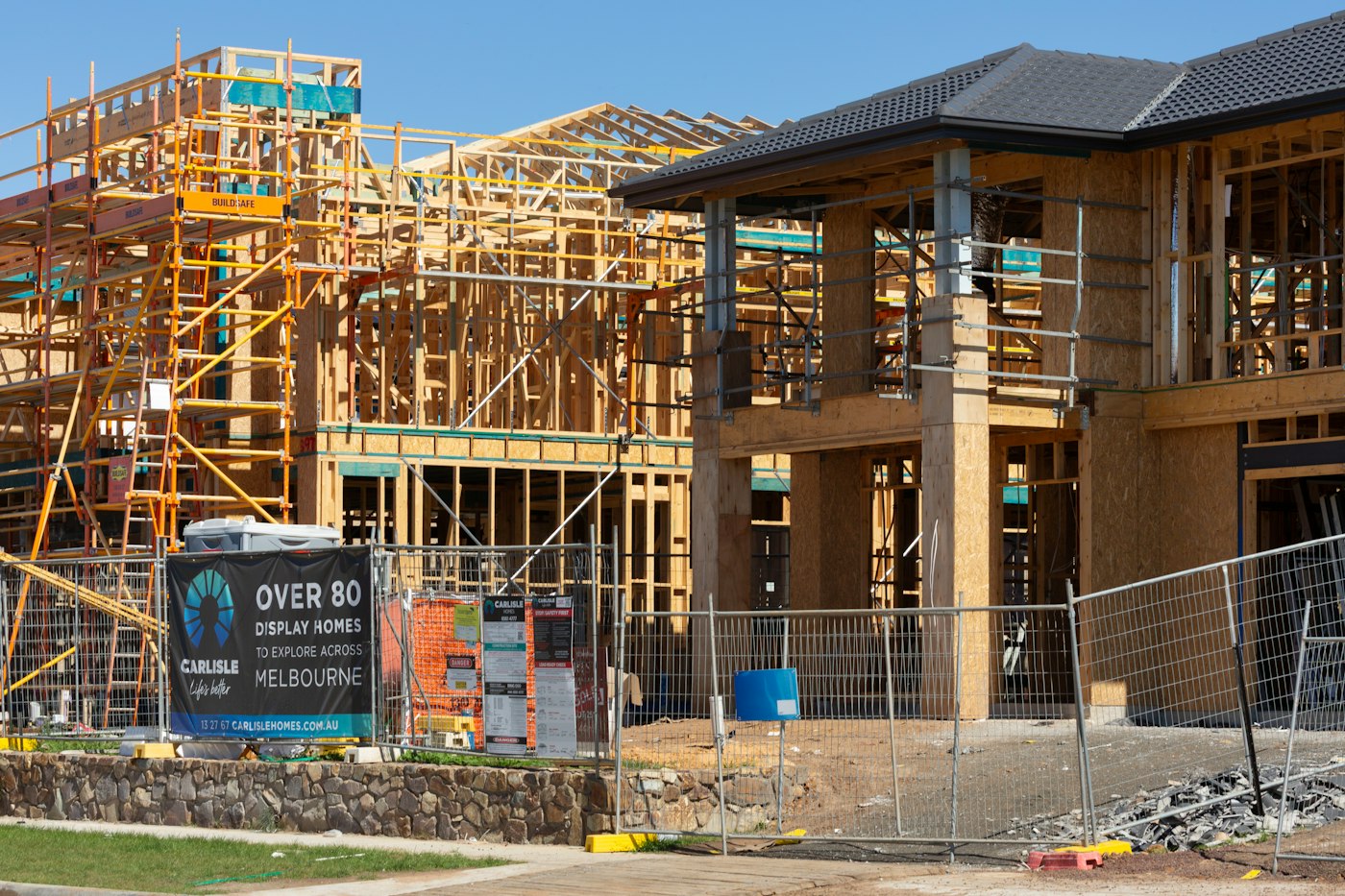
New houses under construction with wooden framing

Massachusetts announced $278 million in state and federal financing and tax credits on September 3 for housing developments across 20 communities. The package includes both new construction and preservation work.

Boston projects in the round

The state’s award list includes 65 senior homes at Fox Hall in South Boston, 35 family homes at 80 Shawsheen Road in East Boston, and 78 senior homes at 1198 Centre in Roslindale.

Advertisement

Advertisement

Other Boston awards support preservation of 331 homes at Orchard Gardens, rehabilitation of seven homes on St. Alphonsus Street, and construction of 72 family homes at 150 Centre Street.

Funding is one step toward delivery

These are development awards, rather than an announcement that the homes are ready for occupancy. Readers seeking housing should follow individual project announcements for construction progress and application information.

Source: Massachusetts Executive Office of Housing and Livable Communities announcement, September 3, 2026; reviewed September 8.

Background

Building or preserving affordable housing usually requires several layers of financing. Construction costs, land and long-term operating expenses are often too high to be covered by the rents that lower-income households can afford, so developers combine private loans with public funding and tax credits to make projects work. A single development may draw on federal, state and local sources, each with its own rules.

Advertisement

One of the most widely used tools is the federal Low-Income Housing Tax Credit. States allocate these credits to selected projects, and developers typically sell them to investors in exchange for upfront equity that helps pay for construction or rehabilitation. In return, the property must keep units affordable to qualifying households for a long period. States may also offer their own housing tax credits and loan programs, which can work alongside the federal credit.

Funding rounds like the one described in the article are common in housing finance. Agencies accept applications, evaluate them against published criteria and announce awards in batches. Receiving an award is an important milestone, but projects still need to complete other steps, such as closing on financing, finalizing permits and completing construction or renovation.

New construction versus preservation

Housing programs generally support two broad kinds of work:

Advertisement

  • New construction adds homes that did not exist before, which increases the overall housing supply.
  • Preservation keeps existing affordable homes available and in good condition, often by renovating aging buildings or extending affordability requirements that might otherwise expire.

Both matter. New construction expands supply, while preservation helps prevent the loss of affordable homes that already exist and helps current residents stay in their communities. Rehabilitation, a form of preservation, can involve repairing systems, improving energy efficiency and upgrading accessibility.

Why delivery takes time

Affordable housing developments often move through a long sequence of steps. Before construction can begin, a developer typically needs site control, zoning and permit approvals, design work, a complete financing package and agreements with each funding source. Once funding is assembled, the deal must close, and only then does construction or renovation usually start. Construction itself can take a year or more for a mid-sized building, depending on its size and complexity. Delays can come from permitting, rising costs, supply issues or changes to the financing. For these reasons, the time between an award announcement and move-in day is often measured in years rather than months, and timelines for individual projects can differ widely.

What it means for Boston-area readers

For residents looking for affordable housing, it helps to understand how these homes typically become available:

  • Applications usually open closer to completion. For new developments, marketing and applications generally begin once a project nears the end of construction, not when funding is announced.
  • Many units use lotteries or waitlists. Because demand is high, affordable units are often filled through lotteries or waitlists with eligibility rules.
  • Income limits apply. Eligibility is usually tied to household income relative to the area median income, and limits vary by household size.
  • Some homes are age-restricted. Senior housing developments set age requirements according to their program rules.
  • Preservation projects may not open new units. In many cases, they protect homes for current residents rather than creating vacancies.
  • Use official sources. Rely on information from the developer, the property’s management company or government housing offices, and be cautious of anyone asking for payment to secure a spot.

For residents who live near a funded development, community meetings and local permitting hearings are common opportunities to learn about plans and timelines.

Key terms

  • Low-Income Housing Tax Credit (LIHTC): A federal tax credit used to finance affordable rental housing, allocated by states.
  • Area median income (AMI): The midpoint household income for a region, used to set eligibility limits.
  • Preservation: Keeping existing affordable housing available and in good condition.
  • Rehabilitation: Renovating an existing building to repair or upgrade it.
  • Housing lottery: A random selection process used to choose applicants for affordable units when demand exceeds supply.
  • Affordability restriction: A legal requirement that units remain affordable to qualifying households for a set period.

What to watch

  • Announcements from individual projects about construction starts and progress.
  • Notices of application periods and lottery information for completed developments.
  • Future state funding rounds and the criteria used to select projects.
  • Local permitting and community meetings for developments in your neighborhood.
  • Updates on preservation projects and any temporary arrangements for current residents during renovations.

Quick check: When do applications for new affordable homes typically open?

  1. The day funding is announced
  2. As a project nears completion of construction
  3. Only after residents have moved in
Show answer

B. Funding is one step toward delivery; marketing and applications generally begin as a development nears completion.

Boston Made UK Boston Made family Boston Made UK Boston Made across the Atlantic. Visit site →

Advertisement

Latest stories

View all
Continue Reading

Economy

Fed Holds Rates in Split 10–2 Vote as Two Officials Push for a Hike; Stocks Edge Higher

The Fed held its target range at 3.75% to 4%, but Lisa Cook and Beth Hammack dissented in favor of a hike. Stocks closed modestly higher while the 10-year yield climbed to about 5.05%.

Published

on

economy fed

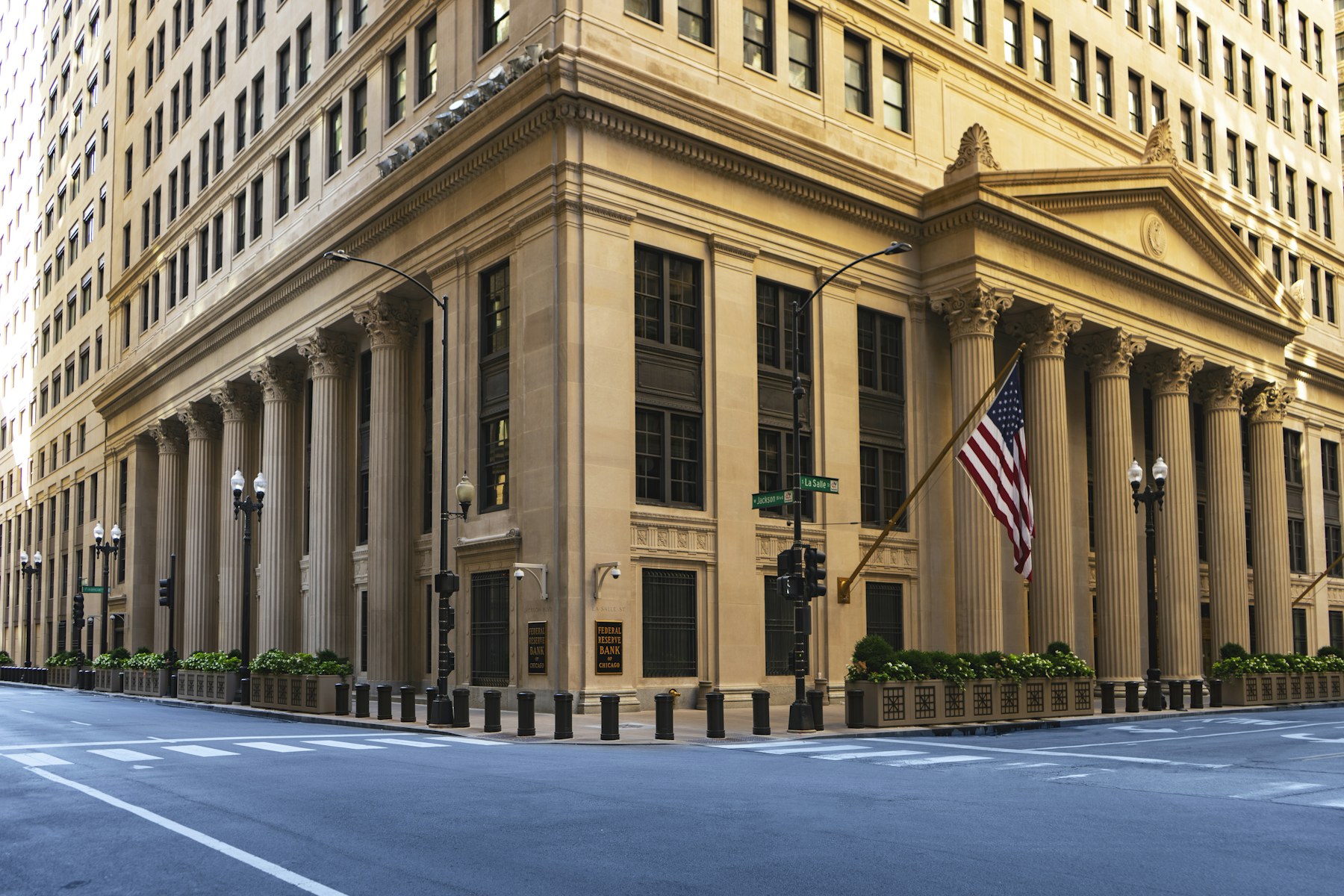
The Federal Reserve left interest rates unchanged on Wednesday, but the vote showed a central bank leaning toward tighter policy. Policymakers held the federal funds target range at 3.75% to 4% in a 10–2 decision. Governor Lisa Cook and Cleveland Fed President Beth Hammack both dissented in favor of a quarter-point increase.

It was the first time since 1992 that a Fed governor and a regional bank president dissented together on the same side, and Cook’s first dissent since she joined the Board in 2022. The pause comes one month after the Fed raised rates for the first time in three years, and less than a week before the midterm elections.

Advertisement

Advertisement

What the statement said

The Committee described economic activity as growing briskly, with strong productivity and capital investment. Job gains have kept pace with growth in the workforce, and the unemployment rate has changed little. On prices, the language was blunt: “Inflation remains elevated.” The statement said the Fed wants a “timely” return to its 2% goal and added a line that stood out: “The Committee will deliver price stability.”

That framing matters because inflation has moved the wrong way this year. Consumer prices rose 3.7% in September from a year earlier, up from 2.4% in February, as the conflict with Iran pushed up oil and gasoline costs. Unemployment sits at 4.2%.

Warsh: the medicine is “starting to work some”

At his press conference, Chair Kevin Warsh described the decision as a chance to “take stock” after September’s hike. He said the overwhelming consensus on the Committee was that the Fed’s “monetary medicine is starting to work some,” while stressing that officials had reached no firm conclusions. He did not commit to a move in December.

Markets did not take that as a dovish turn. Traders kept roughly an 85% chance of a quarter-point hike at the December 9 meeting priced in, and several strategists called a December increase close to a foregone conclusion. Economists at Indeed Hiring Lab said the joint dissent signals how uneasy part of the Committee is about rising inflation expectations.

How markets closed

  • S&P 500: 7,743.98, up 21.38 points (+0.28%)
  • Dow Jones Industrial Average: 52,475.10, up 97.53 points (+0.19%)
  • Nasdaq Composite: 26,549.85, up 72.04 points (+0.27%)
  • 10-year Treasury yield: about 5.05%, up roughly 5 basis points. The 2-year rose about 4 basis points to 4.78%.
  • Gold: futures finished near $4,075 an ounce, roughly flat, after spot gold slipped toward $4,030 earlier in the day as higher oil prices revived inflation worries.

Stocks spent most of the session in a narrow range and held small gains after the decision. Oracle jumped about 11% on a bullish long-range revenue outlook, and chipmakers firmed after SK Hynix reported a sharp jump in profit. After the bell, Microsoft rose on better-than-expected results while Alphabet fell on a revenue and earnings miss, setting up a mixed open for big tech on Thursday.

Advertisement

What to watch next

Thursday’s PCE inflation report, the Fed’s preferred price gauge, is the next test. September PCE is forecast to have risen 3.6% from a year earlier, with the core measure at 3.1%. A hot reading would reinforce expectations for a December hike. A 10-year yield holding above 5% also keeps pressure on mortgage rates, which reached a three-year high of 7.4% earlier this month.

This article is for general information only and is not investment, financial or tax advice. Markets move quickly, and past performance does not guarantee future results. Consult a licensed professional before making investment decisions.

Sources

Understanding the Decision

Fed meetings come with their own vocabulary. Here is what the key terms in this story mean and why they matter beyond Wall Street.

The federal funds rate

The federal funds rate is the interest rate banks charge one another for overnight loans. The Fed does not set every rate in the economy, but by moving this target range it influences what banks pay to borrow, which then flows into credit cards, business loans, auto loans and savings accounts. Holding the range steady means those borrowing costs are unlikely to change much in the near term because of Fed action alone.

Why dissents get attention

The Federal Open Market Committee votes on each decision. Its voting members are the seven Board governors, the president of the New York Fed and four other regional bank presidents who rotate through voting seats. Most decisions are unanimous or close to it, so two dissents in favor of a hike signal that a meaningful part of the Committee believes inflation needs a firmer response than the majority chose.

Advertisement

Basis points

A basis point is one hundredth of a percentage point. A quarter-point move in rates equals 25 basis points, and a yield that rises 5 basis points has moved by 0.05 percentage points.

PCE, CPI and Why the Fed Has a Favorite

The consumer price index and the personal consumption expenditures price index both track how prices are changing, but they are built differently. CPI focuses on what urban households pay out of pocket. PCE covers a broader range of spending, including costs paid on consumers’ behalf, such as employer-provided health insurance, and it adjusts more readily as people shift what they buy when prices change. That is why PCE readings often come in a little lower than CPI.

The “core” version of each measure excludes food and energy, which tend to swing sharply from month to month. When oil and gasoline are driving prices higher, as they have been this year, watching core inflation helps show whether price pressure is spreading into the rest of the economy or staying concentrated in energy.

What This Means for Households and Businesses

  • Mortgages: Thirty-year fixed mortgage rates tend to follow the 10-year Treasury yield rather than the federal funds rate directly. A 10-year yield holding near 5% helps explain why home loans remain expensive even in a month when the Fed did not move.
  • Variable-rate debt: Credit cards and many business lines of credit are tied more closely to short-term rates, so a December hike would likely show up there first.
  • Savings: Higher short-term rates generally support yields on savings accounts and short-term instruments, though banks set their own rates.
  • Planning: Businesses that borrow to fund inventory or expansion may want to account for the possibility of higher rates in their budgets.

None of this is a recommendation to buy, sell or refinance anything. Everyone’s circumstances differ, so check with a licensed financial professional before acting.

Questions Readers Ask

What does it mean when markets “price in” a hike?

Traders use futures contracts tied to the federal funds rate to bet on future decisions. The prices of those contracts can be translated into implied probabilities, which is where figures like an 85% chance come from. They reflect market expectations, not a commitment from the Fed.

Why would yields rise on a day the Fed held rates?

Longer-term yields reflect expectations about future inflation and future policy, not just today’s decision. Firm language about inflation can push those expectations higher even without a rate change.

When is the next decision?

The next scheduled decision comes at the December 9 meeting.

Boston Made Foundation Boston Made family Boston Made Foundation The philanthropic arm of the Boston Made family. Visit site →

Advertisement

Continue Reading

Small Business & Entrepreneurship

Before Amazon’s Drones Fly Over Westborough, MassDOT Says the State Gets a Say

A state letter reminds Amazon that no Prime Air takeoff site can open in Massachusetts without an Aeronautics Division certificate, a safety and environmental review, and at least one public hearing.

Published

on

A delivery drone in flight during a supply-drop exercise

Amazon wants to launch Prime Air drone deliveries from a takeoff and landing area in Westborough. The Massachusetts Department of Transportation has a message for the company: not before the state signs off.

In a letter dated October 22, MassDOT told Amazon that the FAA approves its drones as an air carrier, but the flights are commercial operations subject to state law. No takeoff and landing site can be established in Westborough or anywhere else in Massachusetts without a certificate of approval from the state’s Aeronautics Division.

Advertisement

Advertisement

What the state wants first

  • An official notification and review request from Amazon, which the division says it has not received.
  • Its own suitability review confirming the operation poses no safety threat.
  • An environmental impact review.
  • At least one public hearing before any certificate is issued.

The division said residents have already raised concerns about low-altitude flights over private property and possible conflicts with police, public safety crews and other drone operators.

The town has spoken, too

At a Special Town Meeting on Monday, October 20, Westborough voters overwhelmingly backed a bylaw restricting commercial drones. That bylaw still needs sign-off from the state attorney general and the Aeronautics Division.

Amazon spokesperson Lindsay Hamilton said the company remains committed to working with state and local officials and welcomes the chance to demonstrate the safety of its operations, noting Prime Air has flown in nine states with FAA approval.

Why it matters

Massachusetts is drawing a line that other states will watch: federal clearance gets a drone in the air, but the state decides where it can take off and land. For Amazon, the Westborough site is now a permitting process with a public hearing, not a launch date.

Source: Boston.com. Reported and written by the Ecosystem Intelligence Desk.

Advertisement

Background

Drone delivery sits at the meeting point of two very different kinds of rules. The Federal Aviation Administration regulates the national airspace, including the safety of aircraft, pilots and operators. Cities, towns and states have traditionally regulated land use, including where businesses can operate, what they can build and how they affect neighbors. A delivery drone touches both systems: it flies through federally regulated airspace, but it has to take off and land somewhere on the ground.

Advertisement

That split has been a recurring question as commercial drone programs have grown across the country. Federal approval typically focuses on whether the aircraft and the operation can fly safely. State and local reviews tend to focus on questions such as zoning, noise, environmental effects and how a facility fits into a community. How those layers fit together for drones is still being worked out in many places, which is why the Massachusetts approach described here draws attention.

What it means for Boston-area readers

For residents of Westborough and surrounding towns, the most practical point in the state’s letter is the process it describes. A suitability review, an environmental impact review and at least one public hearing all create moments when residents can learn details and share views. People who want to follow the matter can watch for official notices from the Aeronautics Division and from the town.

For businesses in the region, the case is a useful reminder that federal permission is not always the only permission an activity needs. Companies considering new technology, from drones to new kinds of vehicles or equipment, often face a mix of federal, state and local requirements, and the timing of those reviews can shape when a project can begin.

  • Residents may want to know how the review process works and where hearing notices will be posted.
  • Local officials are weighing how a town bylaw fits alongside state and federal rules.
  • Other businesses can watch how the state applies its certificate process to commercial drone operations.

Key terms

  • FAA: the Federal Aviation Administration, the federal agency responsible for civil aviation safety and the national airspace.
  • Air carrier: an operator approved to carry goods or passengers commercially by air.
  • MassDOT Aeronautics Division: the part of the Massachusetts Department of Transportation that oversees aviation matters in the state, including airports and landing areas.
  • Certificate of approval: the state sign-off the division says is needed before a takeoff and landing site can be established.
  • Bylaw: a local law adopted by a town, often through town meeting in Massachusetts.
  • Special Town Meeting: a town meeting called outside the regular annual schedule to act on specific articles.

What to watch

  • Whether Amazon files the notification and review request the division says it has not yet received.
  • How the attorney general and the Aeronautics Division respond to the Westborough bylaw.
  • When a public hearing is scheduled, and what information is made available beforehand.
  • What the suitability and environmental reviews examine, and how their findings are shared.
  • Whether other Massachusetts communities consider similar local rules on commercial drones.

Each of those steps will shape how, and whether, drone deliveries move forward in Westborough. Following the official record, rather than speculation, is the most reliable way to keep up. Public hearing notices, meeting minutes and published review documents are typically the clearest sources, and they allow residents to see the same information officials are weighing before any decision is made. Town and state websites usually post these materials, along with instructions for submitting written comments.

Quick check: According to MassDOT, what is required before a drone takeoff and landing site can be established in Massachusetts?

  1. Only FAA approval
  2. A certificate of approval from the state’s Aeronautics Division
  3. A permit from the town police department
Show answer

B. MassDOT said no site can be established without a certificate of approval from the Aeronautics Division.

Paxton-Digital Boston Made family Paxton-Digital Enterprise technology for IP protection and portfolio management · a Kingswell company. Visit site →

Advertisement

Continue Reading

Boston Made Eats

How TGI Fridays Shrank From 13 Massachusetts Restaurants to Three

TGI Fridays had 13 Massachusetts restaurants in early 2024. Three remain, in Everett, Methuen and Stoughton. What closed, what replaced them, what is next.

Published

on

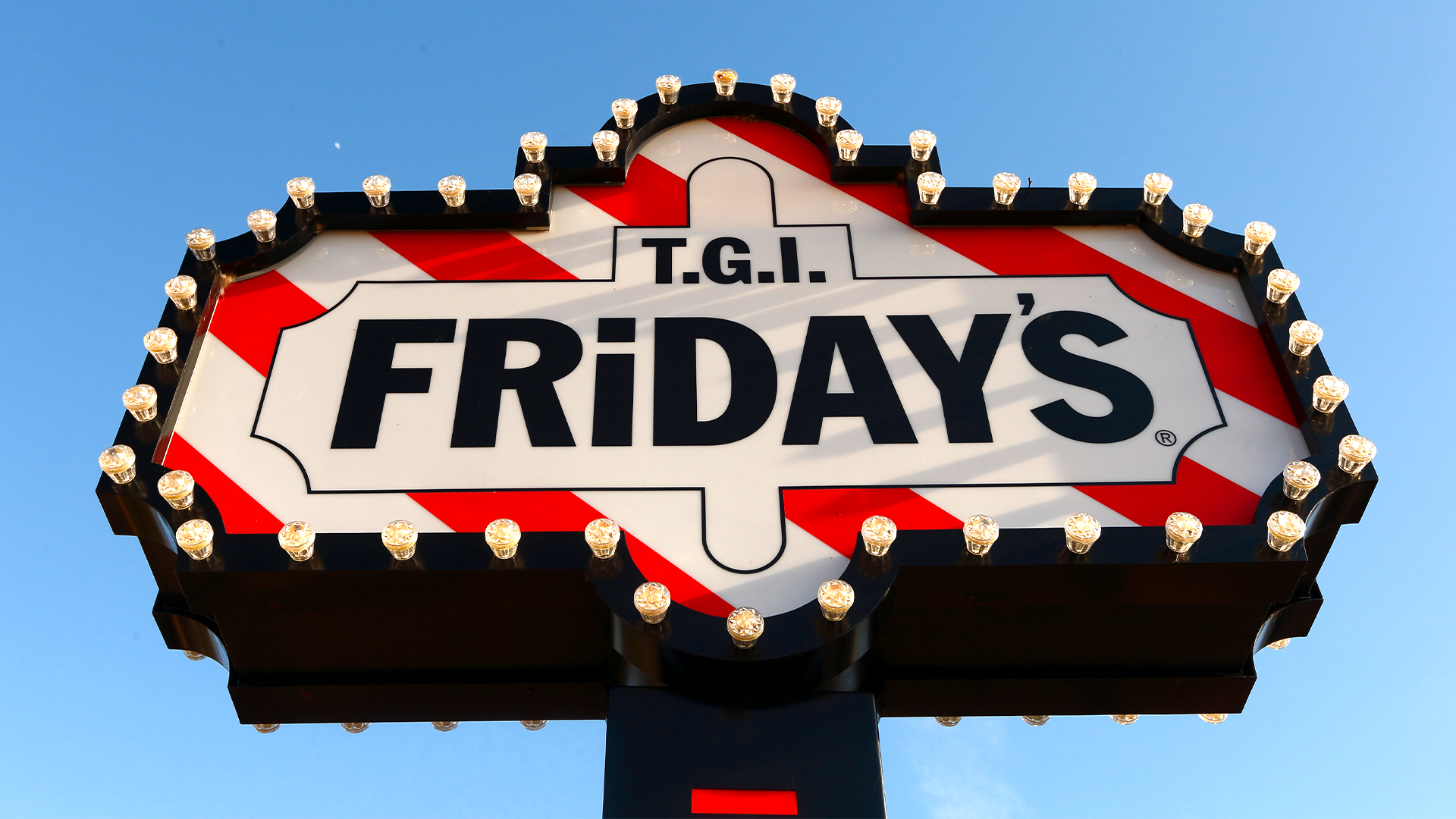
Classic TGI Fridays marquee sign with red-and-white stripes

TGI Fridays began 2024 with 13 restaurants in Massachusetts; since the Millbury location closed in July 2026, the chain’s website lists three, in Everett, Methuen and Stoughton, and the brand carries on as franchised restaurants even as a bankruptcy court winds down its former corporate parent.

Millbury was the latest to go

The TGI Fridays at The Shops at Blackstone Valley in Millbury announced its closing in a Facebook post on Tuesday, July 28, 2026, according to Patch and the Worcester Telegram & Gazette. The restaurant at 70 Worcester-Providence Turnpike was one of the early tenants of the open-air plaza, which opened in 2003, the Telegram reported. A sign in the window pointed diners to the chain’s other Massachusetts restaurants.

Advertisement

Advertisement

Both outlets reported that the company’s website had dropped Millbury and listed only Everett, Methuen and Stoughton in the state. A third-party store tracker, Mogean, counted the same three Massachusetts locations among 69 in the United States as of Oct. 11, 2026. The company has not announced any new restaurant for Massachusetts.

How 13 became three

The contraction came in waves. On Jan. 3, 2024, the Dallas-based company said it was closing 36 corporate restaurants nationwide that it described as “underperforming.” Six were in Massachusetts: Dedham, Danvers, Marlborough, Mansfield, North Attleborough and Seekonk, according to CBS Boston and Boston 25 News. Both outlets listed seven Massachusetts restaurants still open afterward: Boston, Braintree, Everett, Methuen, Millbury, North Dartmouth and Stoughton.

The same day, the company said it was selling eight corporate-owned Northeast restaurants to former chief executive Ray Blanchette, who would run them as a franchisee. Six were in Massachusetts, in Braintree, Boston’s Brigham Circle, Everett, Methuen, Millbury and Stoughton, and two were in Concord and Manchester, New Hampshire, Nation’s Restaurant News reported.

The North Dartmouth restaurant on State Road closed effective immediately on Oct. 24, 2024, the Fall River Reporter wrote, nine days before the corporate parent filed for bankruptcy. Braintree, at 60 Forbes Road, closed in the first week of January 2025, according to Patch and Boston Restaurant Talk. In a report republished by NBC Boston on Feb. 26, 2026, Boston Restaurant Talk said the chain’s only Boston restaurant, at 1626 Tremont St. in Mission Hill, had shut down and been removed from the company’s location list. Millbury followed five months later.

The company’s amended franchise disclosure document, filed in September and summarized by Fast Company, recorded one franchised closure in Massachusetts in 2025 and two so far in 2026. The filing does not name towns, but the timing lines up with Braintree, Boston and Millbury.

Advertisement

What is filling the empty buildings

Several of the former restaurants sit on prominent pads beside shopping centers, and at least two have been re-leased to regional chains. Tavern in the Square took over the Braintree building at 60 Forbes Road, across from South Shore Plaza, Patch and The Patriot Ledger reported; the Ledger said the new restaurant added a 1,200-square-foot patio. In Mansfield, Burtons Grill & Bar leased the former Fridays space at Mansfield Crossing, according to Boston Restaurant Talk and What Now Boston.

At Blackstone Valley, the exit comes while the plaza is adding tenants. Patch reported that nearly 35,000 square feet of new retail space was under development there, with Shake Shack, Sweetgreen and LaserAway among the announced tenants. No replacement tenant for the restaurant had been reported as of late October.

The bankruptcy is ending; the brand is not

None of this amounts to a total shutdown. TGI Friday’s Inc., the corporate entity that owned and ran company restaurants, filed for Chapter 11 on Nov. 2, 2024, in the U.S. Bankruptcy Court for the Northern District of Texas. Franchise-owned restaurants were not part of the case. Judge Stacey G. Jernigan approved a consensual liquidation plan at a hearing on July 23, 2026, Bloomberg Law reported; Nation’s Restaurant News dated the confirmation July 24. The plan distributes the estate’s remaining assets to creditors and winds down the old entity, and court documents show it calls for no further restaurant closures, NRN reported.

Advertisement

The brand now operates under Sugarloaf Hospitality, the investment group led by Blanchette, who returned as chief executive in 2025. Every U.S. restaurant is franchised, according to Fast Company and FSR magazine. Blanchette told NRN that Sugarloaf’s ownership is “independent of, and unaffected by, the parties in bankruptcy.”

The three Massachusetts survivors were all among the restaurants sold to Blanchette in 2024. FSR reported in January that the Methuen restaurant served as the test site for a holiday decor campaign later rolled out across the system.

The national picture

Massachusetts tracks the national decline closely. The chain peaked at 601 U.S. restaurants in 2008, according to Technomic data cited by the Associated Press; FSR also put the peak above 600. Franchise disclosure figures reported by Fast Company show 119 U.S. restaurants at the start of 2025 and 80 at the end of that year. A company spokesperson put the count at 76 in July 2026, the September filing showed 71, and the company’s website listed 69 franchised U.S. restaurants in October, FSR reported. The sources do not reconcile the 71 and 69 figures.

The September filing projected no U.S. openings in 2026. On Sept. 29, the company announced its first domestic development deal in more than a decade, with Bliss Bites LLC, for five restaurants in New York State over three years. Chief operating officer Ashley Kirkley told FSR the company expects about 20 U.S. openings over the next two to three years. None has been announced for Massachusetts.

The Newsroom Take

Going from 13 restaurants to three is a 77 percent drop in under three years, close to the chain’s national slide from 269 U.S. restaurants at the end of 2023 to 69 today. The Massachusetts closures arrived in clusters tied to corporate events: the January 2024 pruning of company stores, the abrupt closings around the 2024 bankruptcy filing, and then franchise closures in Boston and Millbury. The liquidation plan removes one risk, since it calls for no further closures, but it does not remove the ordinary one: a franchise operator deciding that a lease no longer pays. That is how the two most recent Massachusetts closures happened. The quick re-leasing in Braintree and Mansfield also shows that the big boxes remain valuable to landlords, which means a weak Fridays lease can be replaced. For now, Massachusetts is a holdout market, not a growth market, for the brand.

What it means for you

  • Check the chain’s online locator before driving to a TGI Fridays. Everett, Methuen and Stoughton are the only Massachusetts listings, and recent closures were announced on local Facebook pages with little notice.
  • When the corporate parent filed in 2024, the judge allowed the gift card program to continue; court papers showed about $49.7 million in outstanding cards, Fortune reported. Anyone holding an older card is better off using it at an open restaurant than waiting.
  • Workers at the remaining restaurants are employed by franchise operators, not by the liquidating corporate entity. Anyone with a claim against TGI Friday’s Inc. can follow the case, No. 24-80069 in the Northern District of Texas.
  • Shoppers near South Shore Plaza, Mansfield Crossing and Blackstone Valley should expect former Fridays pads to keep turning over to regional restaurant chains.

Test yourself

1. How many TGI Fridays restaurants were operating in Massachusetts at the start of 2024?

Answer: Thirteen; six closed in January 2024, leaving seven, according to CBS Boston and Boston 25 News.

2. Which three Massachusetts locations does the chain still list?

Answer: Everett, Methuen and Stoughton, after Millbury closed in July 2026.

3. What does the liquidation plan confirmed in July 2026 actually do?

Answer: It distributes the remaining assets of the old corporate entity, TGI Friday’s Inc., to creditors and winds it down, while franchised restaurants keep operating under Sugarloaf.

4. What replaced the former TGI Fridays in Braintree?

Answer: Tavern in the Square took over the building at 60 Forbes Road, across from South Shore Plaza.

Discussion

  1. Did the 2024 sale of six Massachusetts restaurants to a former chief executive slow the state’s decline, or only delay it?
  2. Should restaurant chains give the public and employees more notice before closing a location?
  3. What should replace large casual-dining buildings at suburban plazas: new restaurants, or other uses entirely?

From the network

  • Boston Made Reader — every story from the family in one free reading app.
  • BOSSTOX — markets, capital structures and corporate restructurings, explained.
  • Boston Made App — the news wire for Boston politics, business and city life.

Sources

Fenway Web Boston Made family Fenway Web Web design, development and SEO studio — custom websites for small businesses, churches and local brands. Visit site →

Advertisement

Continue Reading
Advertisement

Advertisement

Ad

Advertisement

Trending

--:--·---·--°