Connect with us

Weather where you are

Choose your location or share it once. We round your coordinates to about 1 km before sending them to our site and MET Norway for your forecast. Your choice stays in this browser tab.

Stay close to Boston

Get new Boston stories and Boston Made company updates, delivered as browser notifications.

Choose Enable notifications, then allow notifications in your browser.

Your browser subscription is stored by Boston Made and delivered through your browser’s push service. You can turn notifications off in your browser’s site settings. Privacy policy

Editorial

In Defense of the Slow Season: Why January Is the Best Time to Support Main Street

The holidays are over and foot traffic drops. That makes the quiet weeks of winter the moment when local shops and restaurants most need their neighbors.

Published

on

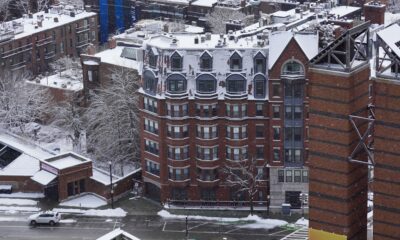
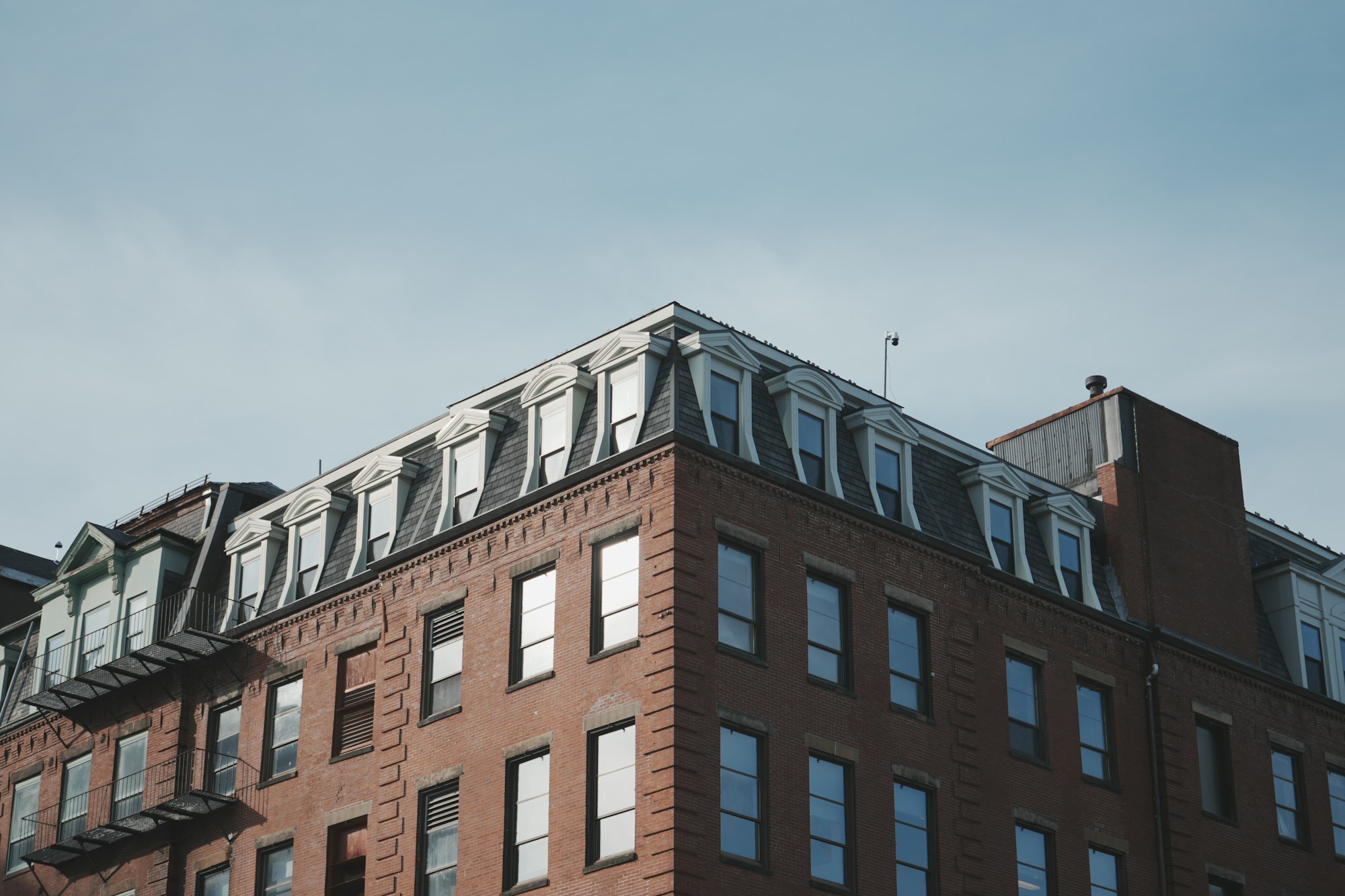
Corner of a historic brick building under a clear sky

Every December, we are reminded to shop local. Window displays glow, small business holiday promotions fill our feeds and neighborhood squares feel busy. Then January arrives. The decorations come down, the weather turns harsh and many of the same shops and restaurants go quiet. This is the season when the reminder matters most, and it is the season we hear it least.

The Math of a Quiet Month

For many independent businesses, the first months of the year are among the leanest. Customers are paying off holiday spending, staying in to avoid the cold, or making resolutions to spend less and eat at home. Meanwhile, the bills do not shrink. Rent, heating, insurance and payroll arrive on schedule, and in New England heating a storefront through a long winter is no small expense.

Advertisement

Advertisement

A restaurant that was packed the week before Christmas may have half-empty tables on a Tuesday in late January. A bookstore or gift shop that relied on holiday sales has to make that revenue last until spring. The businesses that make a neighborhood feel like a neighborhood are often working hardest to stay open exactly when we are paying the least attention.

Small Habits Add Up

Supporting local business in winter does not require a grand gesture. It looks more like this:

  • Keeping a standing weeknight dinner at a nearby restaurant, even once a month.
  • Buying gift cards in January for birthdays and occasions later in the year.
  • Ordering takeout directly from the restaurant when possible, rather than through a third-party app.
  • Leaving an honest, specific online review for a place you like.
  • Choosing the neighborhood hardware store for ice melt and shovels.
  • Bringing a friend to the coffee shop that has stayed open through every storm.

What We Get Back

There is a practical case for all this. Locally owned businesses tend to keep more of their spending circulating nearby, through local suppliers, local services and local employees. They sponsor youth sports teams, donate raffle prizes and hire teenagers for their first jobs.

There is also a less measurable case. A street with lit windows and open doors feels safer and warmer on a dark January evening. The owner who remembers your order, the tailor who has fixed your coat for a decade, the diner where the regulars nod hello: these are the threads that hold a community together. Once a storefront goes dark, it can take years to fill again, and what replaces it is not always better.

A Resolution Worth Keeping

Resolutions tend to be about doing less: spending less, eating less, scrolling less. Here is one about doing a little more. Pick two or three local places you would genuinely miss if they disappeared, and make a point of showing up for them between now and the first warm weekend of spring.

Advertisement

Boston and its neighboring towns are built on small enterprises, from colonial shopkeepers to today’s corner bakeries. The slow season is when they need us. It is also when our support means the most.

Advertisement

Background

Many retail and hospitality businesses experience seasonal swings in sales. The weeks leading up to the winter holidays are often among the busiest of the year for gift shops, bookstores, restaurants and specialty retailers. The months that follow can be much quieter, especially in colder climates where weather discourages people from going out. Seasonality is a normal part of business, but it puts pressure on cash flow when fixed costs stay the same while sales fall.

Independent businesses are often more exposed to these swings than large chains, which can spread costs across many locations and regions. A single-location shop or restaurant depends heavily on its immediate neighborhood and the habits of its regular customers.

What it means for small businesses

For owners, the slow season is also an opportunity to prepare for the rest of the year. Common practices include:

  • Planning cash flow around seasonality. Setting aside part of holiday revenue helps cover fixed costs in leaner months.
  • Offering off-season reasons to visit. Events, classes, tastings or limited menus can give customers a reason to come in during quiet weeks.
  • Staying in touch. Email newsletters and social media posts keep a business on customers’ minds even when foot traffic drops.
  • Using the time for maintenance. Quieter weeks can be a good time for repairs, staff training, menu updates or website improvements.
  • Reviewing the year. Looking at what sold well during the holidays helps with planning inventory and promotions for next season.
  • Collaborating with neighbors. Some business districts coordinate events or promotions to draw people to a street or square during slow months.

What it means for Boston-area readers

For residents, the small habits in the article are simple ways to make a difference. Weather is also a factor in New England winters: a business that stays open during a storm or a cold snap is often doing so at real cost. Checking a business’s own website or social media before visiting in bad weather can confirm hours, and ordering directly from a business, rather than through intermediaries, can help more of the money stay with the owner.

Key terms

  • Seasonality: Predictable changes in sales or activity at certain times of year.
  • Fixed costs: Expenses that stay roughly the same regardless of sales, such as rent and insurance.
  • Foot traffic: The number of people passing by or entering a business.
  • Locally owned business: A business owned by people in or near the community it serves.
  • Third-party delivery app: A service that takes orders and delivers food or goods on behalf of businesses, typically for a fee.

What to watch

  • Winter events and promotions announced by local business associations.
  • Changes in hours at favorite shops and restaurants during the cold months.
  • Storefronts that become vacant, and what replaces them over time.
  • Local efforts to support small businesses, such as district events or shop-local campaigns.
  • Your own spending habits between the holidays and the first warm weekend of spring.

Quick check: Why are independent businesses often more exposed to seasonal slowdowns than large chains?

  1. They cannot sell gift cards
  2. They rely heavily on one location and its local customers, without costs spread across many sites
  3. They are always closed in winter
Show answer

B. A single-location business depends on nearby customers, while chains can spread costs across many locations and regions.

BOSSTOX Boston Made family BOSSTOX AI-infrastructure news and research covering power, cooling, chips and capital. Visit site →

Advertisement

Latest stories

View all

Editorial

GOP Ticket Loses Running Mate as House Kills Gas Tax Holiday Before Nov. 3

Shawn Oliver’s exit, a 30-121 House vote against a gas tax holiday and a 22-point Healey lead reshape the final days of the Massachusetts governor’s race.
Published

on

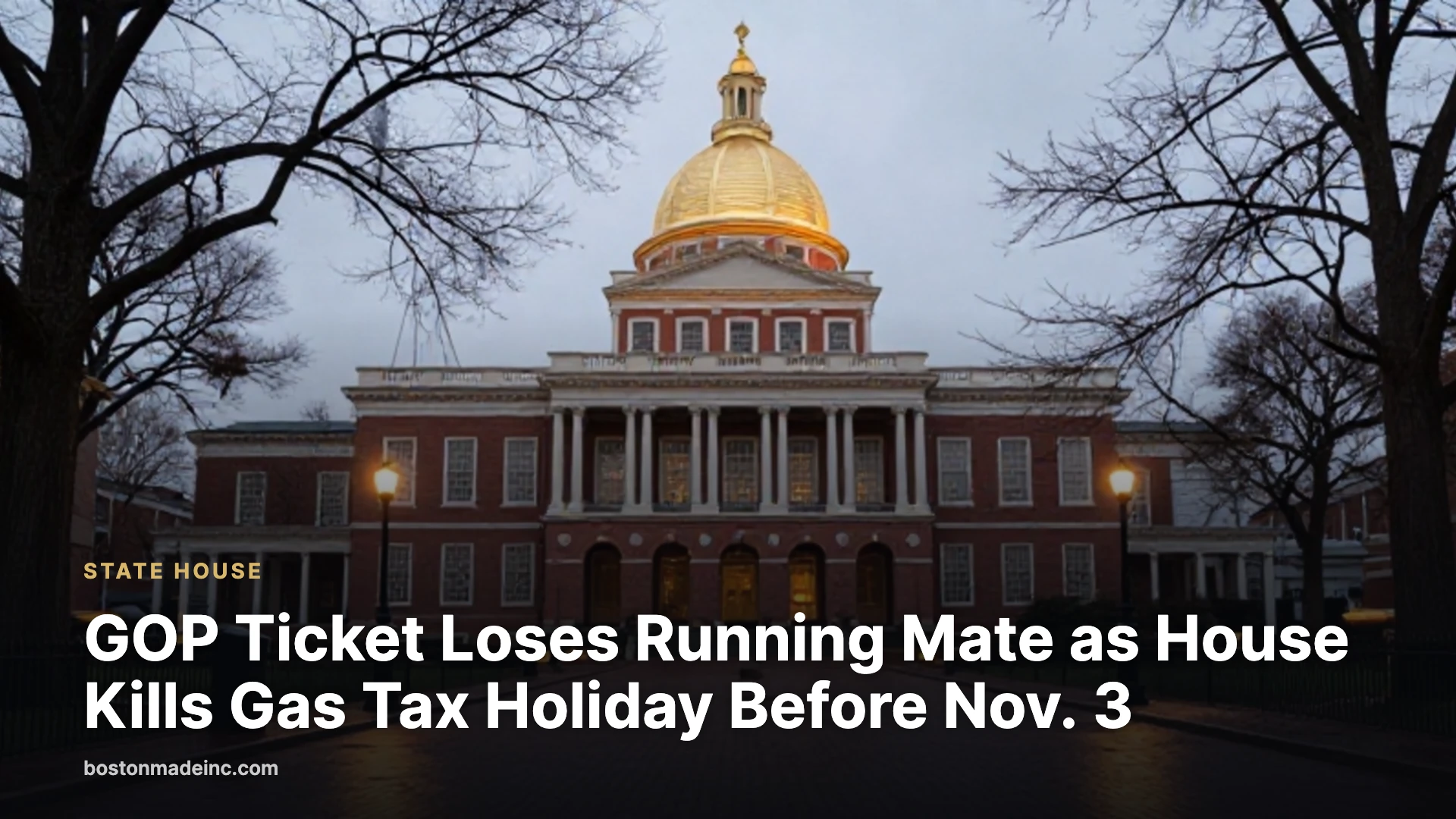
The Massachusetts State House dome at dusk with wet brick sidewalks in the foreground.

With Election Day on Nov. 3, 2026, less than two weeks away, the Massachusetts governor’s race absorbed three jolts in one week: the Republican ticket lost its lieutenant governor candidate to a drunken-driving arrest, the House killed a gas tax holiday that both major candidates had endorsed, and a new poll put Gov. Maura Healey ahead by 22 points.

A running mate exits after a New Bedford crash

Shawn Oliver, the Republican nominee for lieutenant governor, suspended his campaign on Sunday, Oct. 18, a day after a late-night crash in New Bedford. Police said Oliver’s vehicle struck multiple parked vehicles before overturning on Dartmouth Street, and he was taken to a hospital with injuries, according to the Associated Press. Boston 25 News reported that officers arrived around 11:40 p.m. on Saturday, Oct. 17, and found five vehicles involved.

Advertisement

Advertisement

Oliver, 42, a New Bedford city councilor first elected in 2023 and a state corrections officer, was charged with operating under the influence of liquor, negligent operation of a motor vehicle, a marked lanes violation and speeding. The New Bedford Light first reported the arrest. He pleaded not guilty on Monday, Oct. 19, was released on personal recognizance and was barred from driving, with a next court date in November, Boston 25 reported.

In a post on X announcing his exit, Oliver wrote that “the election is too important to be overshadowed by personal matters,” the AP reported. The state Department of Correction placed him on restricted duty at the Massachusetts Treatment Center while it reviews the case, spokesperson Lindsay Corcoran told the AP. New Bedford Mayor Jon Mitchell, a Democrat, called the allegations deeply concerning and said the public deserved to hear from Oliver directly.

Minogue’s ballot problem

Republican gubernatorial nominee Mike Minogue, a businessman and military veteran, said he had asked Oliver to step aside and would formally request his resignation if elected. Because ballots were already printed, Oliver’s name remains on them. At a Monday press conference, Minogue asked supporters to vote the ticket as printed, warning that crossing out Oliver’s name or writing in another candidate could void the vote, according to Boston 25 News.

Minogue said he would leave the lieutenant governor’s post vacant if he wins, relying on the state’s existing succession order, and his campaign estimated that would save more than $300,000 in salary and security costs. Healey, speaking the same day, described the Minogue campaign as showing “chaos,” noting that Oliver was the second running mate the campaign has lost, Boston 25 reported. The lieutenant governor’s duties are largely ceremonial, but the officeholder is first in line if a governor resigns or dies. Healey’s running mate is incumbent Lt. Gov. Kim Driscoll.

Where the polls stand

A Suffolk University/Boston Globe poll released Tuesday, Oct. 20, found Healey with more than 58 percent support to Minogue’s 36 percent among 500 registered voters surveyed Oct. 14-17, with a margin of error of 4.4 percentage points, according to State House News Service reporting carried by WGBH. A UMass Amherst/WCVB poll released a day earlier put the race at 56-31.

Advertisement

The same Suffolk survey found a more complicated mood beneath the horse race. More than 42 percent of respondents said Massachusetts has gotten worse over the past four years, roughly 40 percent said it has stayed the same, and just over 52 percent said the state is headed in the right direction. About 21 percent said they had never heard of Minogue. Asked what strains their finances most, respondents most often named utility and heating bills (almost 23 percent) and gas prices (11 percent).

Down the ballot, the poll showed U.S. Sen. Ed Markey leading Republican John Deaton 60 percent to about 31 percent, and Attorney General Andrea Campbell leading Michael Walsh 54 percent to roughly 28 percent. Among the nine statewide ballot questions, Question 1, which would extend the public records law to the governor’s office and Legislature, drew the strongest support at more than 62 percent, while Question 8, which would repeal the recreational marijuana laws, drew about 21 percent.

Advertisement

The gas tax holiday dies in the House

The one policy both candidates agreed on did not survive the week. Healey had proposed a two-month suspension of the state’s 24-cent-per-gallon gas tax, a measure estimated to cost about $120 million, as part of a supplemental budget to close the books on fiscal 2026. The House Ways and Means Committee, chaired by Rep. Aaron Michlewitz, left the holiday out of its $2.35 billion redraft, WBUR reported, with Michlewitz citing the loss of transportation revenue and doubts that savings would reach drivers.

On the House floor on Wednesday, Oct. 21, Rep. Todd Smola of Warren offered an amendment to restore the suspension with the backing of the full Republican caucus. It failed 30-121, and the underlying bill passed 152-0, the Daily Hampshire Gazette reported. House Speaker Ron Mariano dismissed the idea as gimmickry, and Rep. James Arciero, co-chair of the Transportation Committee, estimated the average driver would save about $25.

Healey’s office pushed back. “There is nothing gimmicky about a proposal to give gas tax relief to people,” a spokesperson said, according to the Gazette. Minogue, who has pledged to suspend the tax whenever prices reach $4 a gallon, called the House vote “a political stunt, pure and simple,” NBC Boston reported. The statewide average stood at about $4.28 a gallon, according to AAA figures cited by NBC Boston.

What else is in the $2.35 billion bill

The House package directs roughly $1.8 billion in gross spending to MassHealth, about $160 million to snow and ice removal paid from surtax revenue, $79 million toward unemployment insurance interest repayments, and $10 million to the Massachusetts Life Sciences Center, according to NBC Boston. It also adds disclosure requirements for AI-generated political ads and bars constitutional officers from using public money for ads featuring their own name, voice or likeness. The Senate, which did not hold a formal session this week, will write its own version; Michlewitz told WBUR he hopes to send a compromise to the governor by Nov. 15.

The Newsroom Take

Each of this week’s developments cuts against the Republican ticket, but the poll numbers suggest the race was not close before Oliver’s arrest and the gas tax fight. What the week did change is the shape of the closing argument. Minogue’s message of affordability now has to compete with questions about his own vetting, and his gas tax pledge collides with a Democratic House that just voted it down 121-30. Healey, meanwhile, finds herself on the same side of the gas tax question as her opponent and opposed by her party’s legislative leadership, a split that will matter more for the Senate negotiation in November than for the election itself. The number worth watching is not the 22-point margin but the 42 percent who say the state has gotten worse: that is the electorate the next governor, almost certainly Healey, will have to answer to on heating bills and housing in January.

What it means for you

  • Early voting and mail ballots are already in circulation; a vote for the Minogue ticket counts as printed, and voters should not alter the lieutenant governor line.
  • Do not expect pump prices to drop from a state tax holiday before Election Day. The House has rejected it, and the Senate is not in formal session this week.
  • Nine ballot questions appear on the Nov. 3 ballot, including measures on public records, same-day registration, an all-party primary and the 2024 gun law. Read them before you vote.
  • Business owners should watch the Senate’s version of the supplemental budget, which could still change the unemployment insurance and political advertising provisions.

Test yourself

1. When did Shawn Oliver suspend his campaign, and does his name stay on the ballot?

Answer: He suspended on Sunday, Oct. 18; his name remains on the ballot because ballots were already printed.

2. What was the House vote on the gas tax holiday amendment?

Answer: It failed 30-121 on Wednesday, Oct. 21, while the underlying $2.35 billion bill passed 152-0.

3. What did the Suffolk/Globe poll show in the governor’s race?

Answer: Healey led Minogue by more than 58 percent to 36 percent, with a 4.4-point margin of error.

4. How much is the state gas tax Healey wanted to suspend?

Answer: 24 cents per gallon, for two months, at an estimated cost of about $120 million.

Discussion

  1. Should a candidate whose name must stay on the ballot be allowed to formally withdraw after ballots are printed?
  2. Is a 60-day gas tax holiday meaningful relief or a gimmick, given the estimated $25 average savings?
  3. What explains a governor leading by 22 points while 42 percent of voters say the state has gotten worse?

From the network

  • Boston Made Reader — every story from the family in one free reading app.
  • Boston Made — the home of the Boston Made, Inc. brand family.
  • Boston Made App — the news wire for Boston politics, business and city life.

Boston Made Foundation Boston Made family Boston Made Foundation The philanthropic arm of the Boston Made family. Visit site →

Advertisement

Continue Reading

Editorial

October Is New England’s Best Argument for Itself

The traffic, the winters and the rents are real. But a single October weekend explains why so many people choose to stay. An appreciation of the season.

Published

on

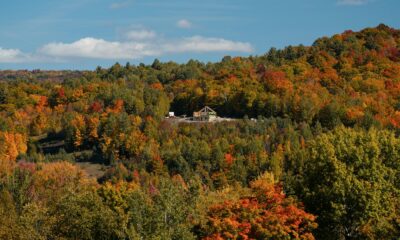
Autumn forest with a house on a hill

Anyone who lives in New England has heard the complaints, and probably made a few. The winters are long. The traffic is legendary. Housing costs strain families and young workers. Every so often, someone announces they have finally had enough and are moving somewhere warmer and cheaper. Then October comes, and the case for staying makes itself.

The Light Changes First

It starts with the light. Sometime in early autumn, the sun settles lower in the sky and everything takes on a warmer, clearer cast. Brick sidewalks in Beacon Hill glow at four in the afternoon. The Charles turns deep blue. Even an ordinary commute down a tree-lined street can become, briefly, the best part of the day.

Advertisement

Advertisement

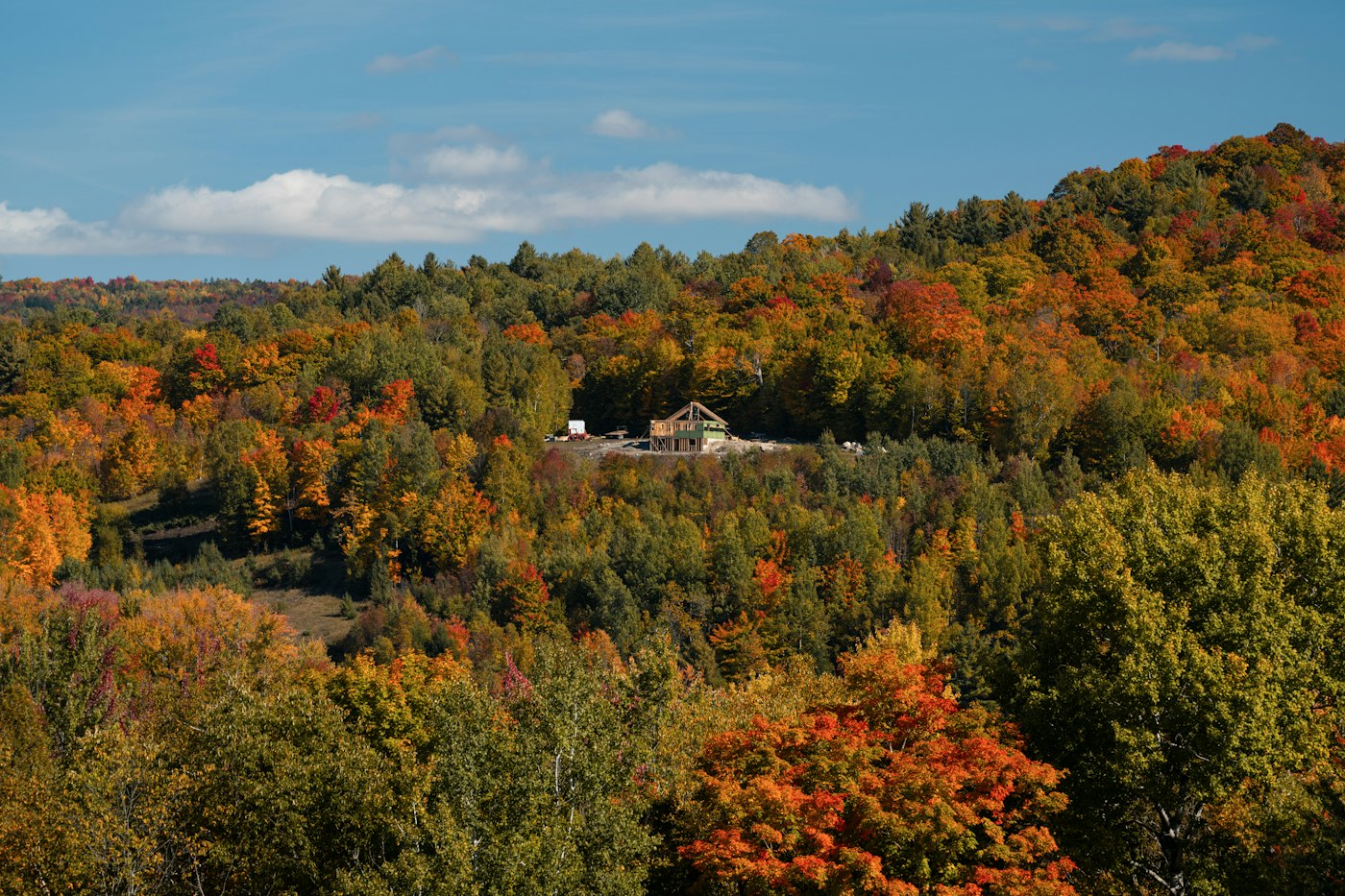
Then the leaves turn. Maples, oaks, birches and sumac each take their turn, and a drive through almost any town between here and the Berkshires becomes a lesson in how many shades of orange exist.

A Season Built for Gathering

October in New England is not just beautiful. It is busy in the best way. Think of what fills a typical month:

  • Weekends at orchards and farm stands, with cider and doughnuts in hand.
  • Rowing on the Charles, high school football on Friday nights and the occasional October baseball.
  • Town fairs, harvest suppers and church bazaars.
  • Students returning to campuses and filling the coffee shops of Cambridge, Allston and Worcester.
  • Neighborhoods decorating porches and stoops for Halloween.

Much of it happens close to home, in places that feel distinctly local. The season draws people out of their houses and into shared spaces before winter pulls everyone back indoors.

History Close at Hand

Autumn also has a way of reminding us how much history surrounds us here. Stone walls wind through second-growth forests that were once farm fields. Old burying grounds sit in the middle of busy downtowns. Meetinghouses, mills and harbors tell stories that stretch back centuries. In October, with the crowds of summer gone and the leaves framing every white steeple, those stories feel especially present.

Worth the Trade

None of this erases the real challenges of living in the region. Affordability, transportation and the cost of energy deserve serious attention, and pretending otherwise does no one any favors. But places are more than their problems. They are also the sum of the moments that make people want to stay and work on those problems.

Advertisement

October is full of those moments. It is the season that reminds longtime residents why they put up with February, and that persuades newcomers to give the place one more year. If you are lucky enough to be here this month, get outside, look up and take it in. This is New England making its best argument, and it is a convincing one.

Background

New England’s fall color is the product of its trees, its climate and a bit of plant chemistry. During the growing season, leaves are green because of chlorophyll, the pigment that captures sunlight. As days shorten and nights cool, trees stop producing chlorophyll and it breaks down. That reveals yellow and orange pigments, called carotenoids, which were present in the leaf all along.

Advertisement

The reds and purples come from a different group of pigments, anthocyanins, which some trees produce in autumn. Sunny days and cool, but not freezing, nights tend to encourage them, which is why the region’s mix of maples and other hardwoods can put on such a vivid show. Weather during the season affects how bright and how long-lasting the color is, so no two autumns look quite the same.

What it means for Boston-area readers

For people who live here, October is a chance to enjoy the region close to home. Many of the season’s pleasures do not require a long drive. A walk along a river path, a city park, a town common or a conservation area can offer a full display. Local farms, historical societies and libraries often host seasonal events, and many communities hold fairs and suppers that depend on volunteers and neighbors turning out.

Fall is also a busy time for the local businesses that rely on visitors: farm stands, bakeries, inns, restaurants and small shops. Choosing them for a day trip or a weekend outing keeps money circulating in the region and helps those businesses carry through the quieter months that follow.

  • Go early or go midweek to avoid the busiest roads and parking lots.
  • Look close to home before planning a long drive; local parks and trails often peak at different times than the hills.
  • Dress for change. October days can start cold and end warm, or the reverse.
  • Respect private land and posted rules, especially at farms and around stone walls and old cemeteries.

Key terms

  • Peak foliage: the period when the most trees in an area show full color, which shifts by location and elevation.
  • Leaf peeping: the popular term for traveling to see fall color.
  • Second-growth forest: woodland that has grown back after earlier clearing, common across New England’s former farmland.
  • Harvest supper: a community meal, often held by a church or civic group, built around seasonal food.

What to watch

October also starts the transition toward winter, and several practical questions come with it. Households may be thinking about heating bills, storm preparation and home maintenance before the cold sets in. Communities are setting budgets and planning for winter operations. The broader questions raised in the original piece, including affordability, transportation and energy costs, tend to come into sharper focus as the season turns.

For anyone simply hoping to enjoy the color, local foliage reports and conversations with neighbors are often the best guide to when the trees nearby are at their best. The window can be short, and it rarely waits for a convenient weekend.

Quick check: Why do yellow and orange colors appear in leaves in autumn?

  1. Trees absorb color from the soil
  2. Chlorophyll breaks down and reveals pigments already in the leaf
  3. Frost paints the leaves
Show answer

B. As chlorophyll breaks down, yellow and orange pigments called carotenoids, already present in the leaf, become visible.

Boston Made Reader Boston Made family Boston Made Reader Free e-reader app for long reads, wires and books. Visit site →

Advertisement

Continue Reading

Boston Made Stories

Track by Track: Inside the 11 Songs of Taylor Swift’s Debut Album

All 11 songs on the original 2006 album: who wrote them, how long they run and what each one is about, plus a name-that-track game. Part three of our Countdown to 20.

Published

on

An acoustic guitar resting near a sunlit window

BOSTON — Forty minutes and 28 seconds. That is the entire running time of the standard edition of Taylor Swift, 11 songs that introduced one of the defining songwriters of her generation. Every song carries her name in the credits. Here is the whole album, one track at a time.

1. “Tim McGraw”

Written by Taylor Swift, Liz Rose · 3:54

Advertisement

Advertisement

Nostalgia for a relationship with an older boyfriend, built around the songs that remind you of someone. It became the first single.

2. “Picture to Burn”

Written by Taylor Swift, Liz Rose · 2:55

A sharp, funny kiss-off to an ex who did her wrong. It reached the country Top 10.

3. “Teardrops on My Guitar”

Written by Taylor Swift, Liz Rose · 3:35

Unrequited love for a boy who likes someone else. Her first big crossover hit, reaching No. 13 on the Hot 100.

Advertisement

4. “A Place in This World”

Written by Taylor Swift, Robert Ellis Orrall, Angelo Petraglia · 3:22

A teenager’s uncertainty about where she belongs and what comes next.

5. “Cold as You”

Written by Taylor Swift, Liz Rose · 4:01

A relationship with someone who never appreciated her.

6. “The Outside”

Written by Taylor Swift · 3:29

Loneliness after her love of country music set her apart at school. One of three songs she wrote alone.

7. “Tied Together with a Smile”

Written by Taylor Swift, Liz Rose · 4:11

Written about a friend struggling with an eating disorder, and about how people hide pain behind a smile.

8. “Stay Beautiful”

Written by Taylor Swift, Liz Rose · 3:58

Admiring someone from afar, without him ever knowing.

9. “Should’ve Said No”

Written by Taylor Swift · 4:04

Confronting a cheating ex. Written alone, it became her second country No. 1.

10. “Mary’s Song (Oh My My My)”

Written by Taylor Swift, Liz Rose, Brian Maher · 3:35

A love story that lasts from childhood to marriage.

11. “Our Song”

Written by Taylor Swift · 3:24

A couple who make a song out of their everyday moments. Written alone, it went to No. 1 on Hot Country Songs.
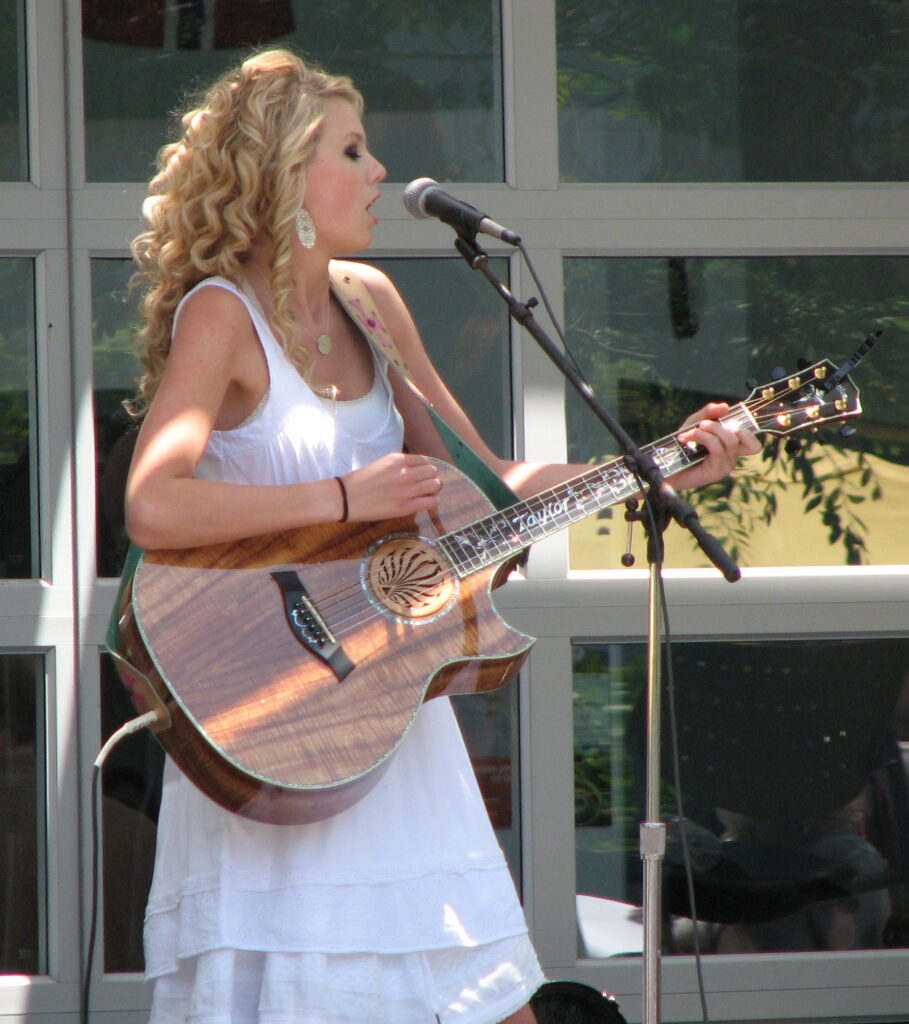
Taylor Swift performs in 2007.
Taylor Swift performing in 2007. Photo: Brian Cantoni, CC BY 2.0, via Wikimedia Commons.

The writers’ room

Seven of the 11 songs were co-written with Liz Rose, who met Taylor through her publishing deal and became her most important early collaborator. Robert Ellis Orrall and Angelo Petraglia co-wrote “A Place in This World,” and Brian Maher joined Taylor and Rose on “Mary’s Song.” Three songs, “The Outside,” “Should’ve Said No” and “Our Song,” are Taylor’s alone.

A note on “Tied Together with a Smile”

One of the album’s quietest songs carries one of its heaviest subjects. If you or someone you love is struggling with an eating disorder, support is available from the National Alliance for Eating Disorders.

Match game · 6 questions

Name that track

We describe the theme. You pick the song.

Score: 0

01 / 06

The theme: feeling left out because of your love of country music.

Advertisement

02 / 06

The theme: a love that lasts from childhood all the way to marriage.

03 / 06

Which track is the shortest on the album?

04 / 06

Which song closes the album?

05 / 06

How many songs did Taylor write entirely on her own?

06 / 06

Which track has three credited writers?

Sources

Boston Made is not affiliated with or endorsed by Taylor Swift or her record labels. Photos are freely licensed from Wikimedia Commons and credited under each image.


PupWear (.org) Boston Made family PupWear (.org) Dog apparel and gear inspired by Boston the GoldenDoodle. Visit site →

Advertisement

Continue Reading
Advertisement

Advertisement

Ad

Advertisement

Trending

--:--·---·--°