Connect with us

Weather where you are

Choose your location or share it once. We round your coordinates to about 1 km before sending them to our site and MET Norway for your forecast. Your choice stays in this browser tab.

Stay close to Boston

Get new Boston stories and Boston Made company updates, delivered as browser notifications.

Choose Enable notifications, then allow notifications in your browser.

Your browser subscription is stored by Boston Made and delivered through your browser’s push service. You can turn notifications off in your browser’s site settings. Privacy policy

Service

PHP 8.2 Loses Security Support on December 31. Here’s the 10-Week Plan for Your Website.

Ecosystem Intelligence Desk

Published

on

tech servers

Most small-business websites are built on WordPress, and WordPress runs on PHP. On December 31, 2026, PHP 8.2 reaches end of life: no more security fixes, ever. Any site still on it after that date is running software that will not be patched when the next vulnerability is found.

Where each version stands

  • 8.1 and older: support already ended Dec. 31, 2025. Upgrade now.
  • 8.2: support ends Dec. 31, 2026. Upgrade before year-end.
  • 8.3: supported through Dec. 31, 2027. A safe target.
  • 8.4: supported through Dec. 31, 2028. The best target if your plugins support it.

The 10-week plan

  1. This week: find out what you run. In WordPress, go to Tools → Site Health → Info → Server. Your host’s control panel shows it too.
  2. Weeks 2–3: back up everything. Files and database, stored off the server. Test that the backup actually restores.
  3. Weeks 3–4: update plugins and theme. Abandoned plugins, with no update in a year or more, are the most common reason an upgrade breaks a site. Replace them now.
  4. Weeks 5–6: test on staging. Most hosts let you clone a site. Switch the copy to 8.3 or 8.4 and click through forms, checkout and logins.
  5. Weeks 7–8: switch production. Pick a quiet day, change the version in your hosting panel, and watch for errors for 48 hours.
  6. Weeks 9–10: clean up. Remove unused plugins and themes, and turn on automatic minor updates.

Why it matters beyond security

Newer versions are also faster, which helps page speed and search rankings. And WordPress 7.0, released in May, raised its minimum requirement to 7.4. Very old setups are already being left behind on new features.

Not sure what your site runs on? Fenway Web will check your server version, plugins and backups for free and tell you exactly what needs to change. Request a site check →

Sources: HeroDevs support timeline · DreamHost on WordPress 7.0. Written by the Ecosystem Intelligence Desk.

The post PHP 8.2 Loses Security Support on December 31. Here’s the 10-Week Plan for Your Website. appeared first on Fenway Web.

The institutional news desk of the Boston Made network. Reporting is researched from wire services including The Associated Press and local sources, and written by the desk.

Service

Five Signals Your Website Needs an Operating System, Not Another Redesign

Ecosystem Intelligence Desk

Published

on

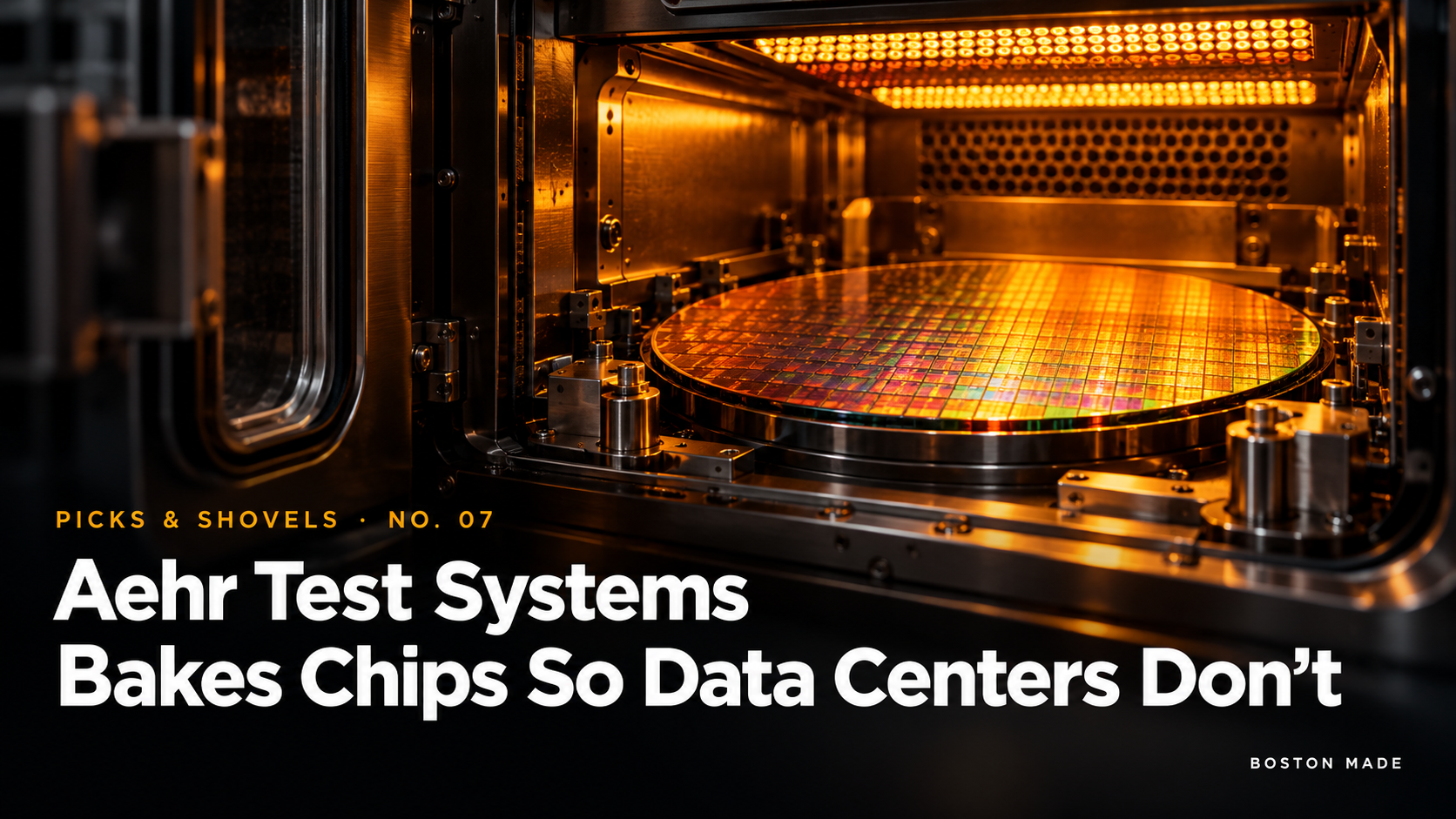
Picks & Shovels No. 07: Aehr Test Systems Bakes Chips So Data Centers Don’t

Fenway Web field note — October 21, 2026. A polished homepage is helpful, but a modern business website has to do more than look good. It needs to guide people, keep information organized and make routine work easier for the team behind it.

1. Visitors cannot tell what to do next

If every page presents the same weight, the same buttons and the same wall of text, visitors have to do the work of figuring out the business. A useful website gives each page one clear job and makes the next step obvious.

Advertisement

2. Updates depend on one person

When changing a headline, publishing a story or updating a service requires a specialist every time, the site becomes a bottleneck. Good systems make repeatable updates safe, documented and easy for the right people to own.

3. The site has content but no rhythm

A website should not feel frozen between redesigns. A practical editorial rhythm—briefings, case studies, guides, announcements and customer stories—keeps the site useful while creating natural paths back to the services that matter.

4. Ads and promotions interrupt the experience

Advertising works best when it has a designated place and a clear relationship to the page. House promotions, partner placements and paid campaigns should support the visitor journey rather than compete with the primary message.

5. Mobile feels like an afterthought

Mobile is not a smaller desktop layout. It is a different reading environment. Navigation, spacing, forms, media and calls to action need to be checked in the context where most people actually encounter them.

The goal is not endless complexity. It is a dependable system: clear content, purposeful templates, measured promotion and a publishing workflow the team can keep running after launch.

Fenway Web is the web design and development studio of Boston Made, Inc. This is original editorial guidance, not a substitute for a project-specific audit.

The post Five Signals Your Website Needs an Operating System, Not Another Redesign appeared first on Fenway Web.

Beacon Federal Partners Affiliate Beacon Federal Partners Independent government-contracting firm and Boston Made affiliate. Visit site →

Advertisement

Continue Reading

Education

Fenway Web Opens a Free Learning Center to Teach Small Businesses to Build Their Own Websites

Ecosystem Intelligence Desk

Published

on

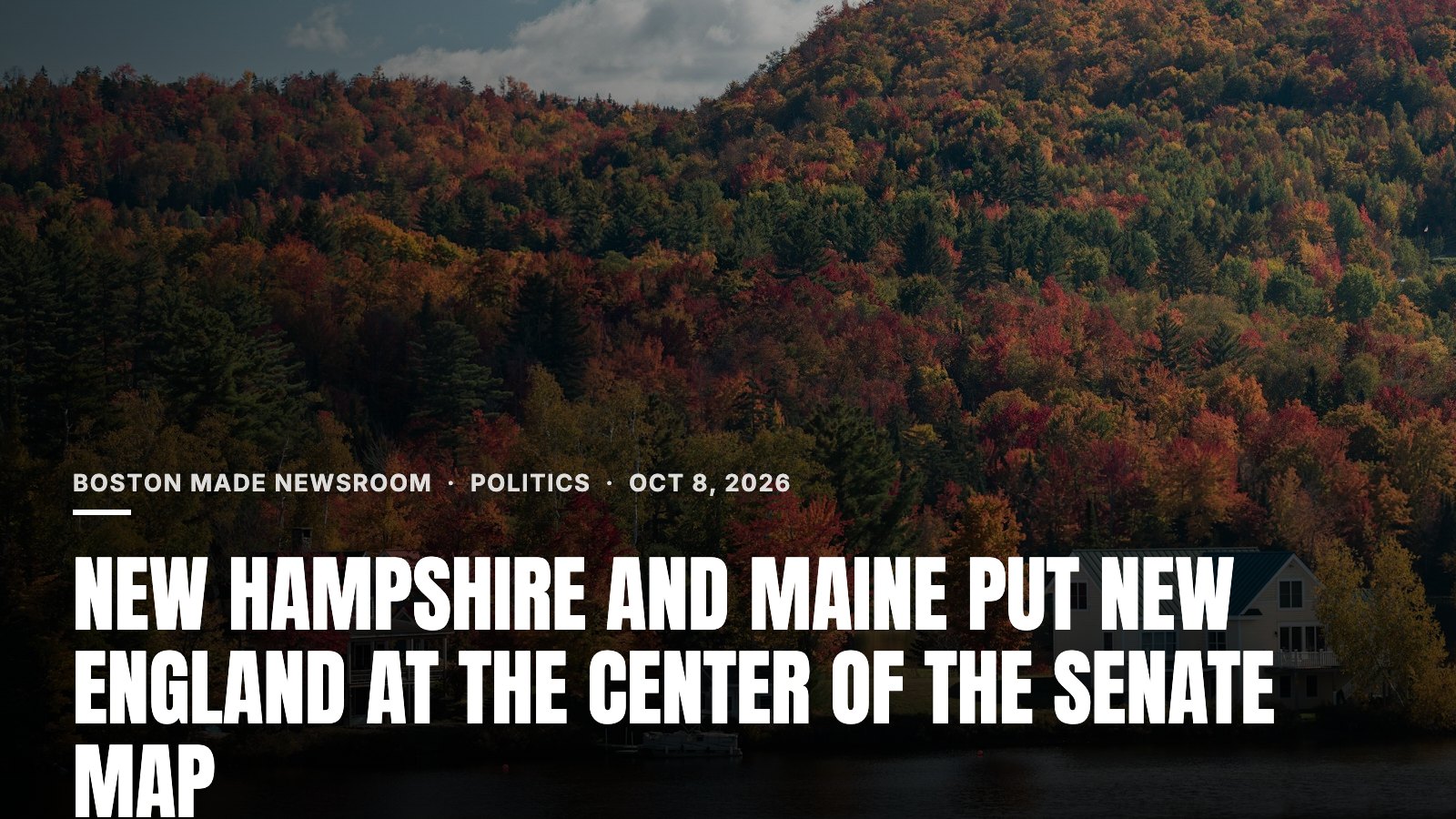
New Hampshire and Maine Put New England at the Center of the Senate Map

BOSTON — October 9, 2026 — Fenway Web today announced that info.fenwayweb.com is now its free learning center, teaching small-business owners how to build, launch and grow their own website step by step — with every lesson pointing back to FenwayWeb.com, where they can start building.

Advertisement

Fenway Web is repositioning around a simple idea: most small businesses can launch a professional website themselves if someone shows them how. The learning center does exactly that, in plain language, with no jargon and no upsell in the middle of a lesson.

Start with Build Week

The first course, Build Week, takes a business from no website to launch in five short lessons:

  1. Build Week, Day 1: How to Pick a Domain Name You Won’t Regret
  2. Build Week, Day 2: How to Write a Homepage That Sells in Five Seconds
  3. Build Week, Day 3: Local SEO 101 — Getting Found Near You
  4. Build Week, Day 4: How to Add a Contact and Booking Form People Actually Finish
  5. Build Week, Day 5: The 15-Point Launch Checklist

Each lesson can be finished in an evening, and each ends with a concrete task — pick the domain, write the homepage, set up local search, add the contact form, run the launch checklist.

What’s in the learning center

  • Guides on web design, SEO, content writing and marketing strategy.
  • AI for small business — practical ways to use AI tools to write, design and answer customers faster.
  • News on platform updates and new tutorials.

Do the math before you build

A website is an investment, and it should pay you back. Compare the true first-year cost of building it yourself with hiring it out, and see how quickly the leads your site brings in cover the cost.

Website Payback Calculator

Will a new website pay for itself — and how fast? Compare building it yourself with hiring it out, then see how many leads it takes to break even.

Planning estimate. Enter your own builder plan price and lead value.

The five-minute website health check

  • Can a visitor tell what you do and where you are within five seconds?
  • Is your phone number tappable on a phone?
  • Does every page have one clear next step?
  • Is your business listed with the same name, address and phone everywhere online?
  • Does your contact form actually reach your inbox? Test it today.

About Fenway Web

Fenway Web helps small businesses build their own websites with a self-serve builder at FenwayWeb.com and free tutorials at info.fenwayweb.com.

The post Fenway Web Opens a Free Learning Center to Teach Small Businesses to Build Their Own Websites appeared first on Fenway Web.

Keep Up With Nate Boston Made family Keep Up With Nate The personal site of Boston Made founder Nathan Strickland. Visit site →

Advertisement

Continue Reading

Service

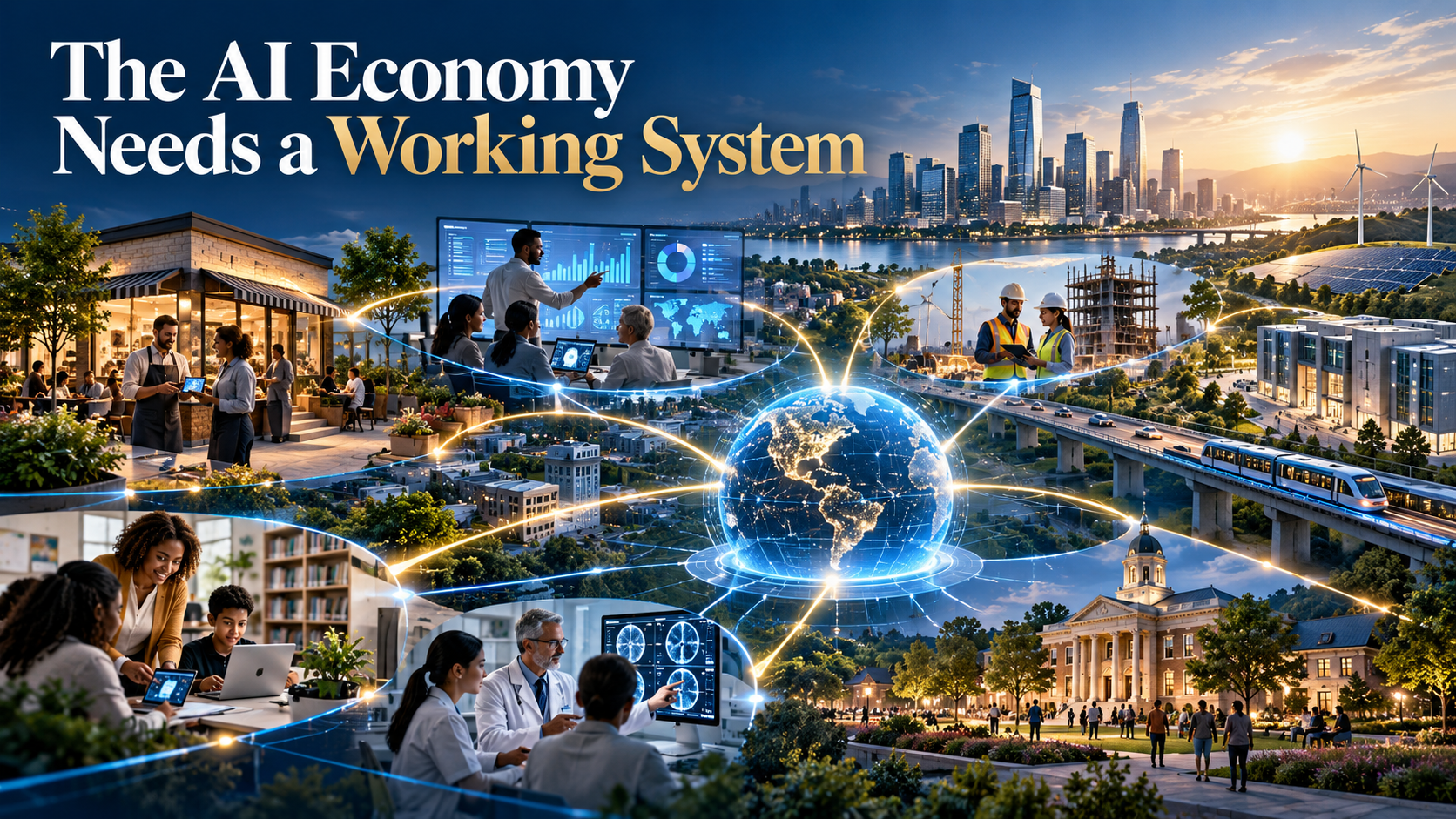
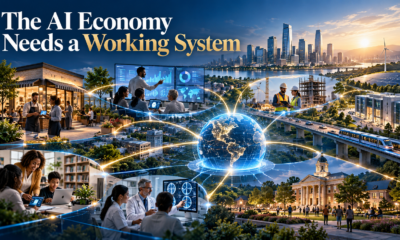
The AI Economy Needs a Working System

AI is moving into everyday operations, local discovery, infrastructure, and commerce. The next advantage belongs to ecosystems that connect intelligence to real work.

Ecosystem Intelligence Desk

Published

on

AI infrastructure, local economies, software, and the title The AI Economy Needs a Working System

The most useful question about AI in 2026 is no longer “What can the model generate?” It is “What system turns intelligence into a reliable result for a real person, business, or community?”

That question is the center of the Boston Made ecosystem. It connects infrastructure intelligence, local discovery, operator software, digital experiences, and the practical work of helping organizations become more visible and more useful in an AI-mediated economy.

Advertisement

AI has crossed the demo boundary

The first wave of AI adoption was measured in experiments: a chatbot, a content tool, an internal assistant, a prototype. The current wave is being measured in workflows. Can the system help a customer find the right business? Can it keep a facility operating? Can it turn a complex source base into a decision? Can it reduce the friction between intent and action?

That is why AI is appearing simultaneously in data centers, tourism, search, commerce, local government, operations, and communications. The technology is converging with the systems that organize daily life.

The physical economy underneath AI

The infrastructure layer is becoming more visible. QumulusAI has disclosed repeat-customer, take-or-pay inference contracts. Alignment Engine has disclosed $1.17 billion of AMD-based orders with contractual prepayments. Corning and AT&T have announced more than $3 billion in fiber and cable commitments. Firmus and Meta are building regional AI-factory capacity with expansion options.

These are not isolated chip stories. They are evidence of a broader buildout involving power, cooling, fiber, construction, financing, and operations software.

See the executive infrastructure watch ↗

The lesson for businesses is simple: AI is not weightless. It depends on physical systems and commercial systems. Every “instant” answer has a supply chain underneath it.

The discovery economy is changing

AI is also changing how people discover products, services, destinations, and businesses. Research from Salesforce describes growth in agentic search and new discovery channels, while travel research shows that people increasingly use AI to narrow options before returning to official sites and trusted sources to verify.

Read Salesforce’s agentic search research ↗

This creates an opportunity for smaller businesses, but only if they become legible. A business needs accurate information, specific positioning, trustworthy proof, and a digital experience that answers the questions a customer is likely to ask.

That is the strategic role of a connected ecosystem: not just to publish more content, but to make the right information available in the right context.

Local identity is a competitive asset

AI can flatten a market when every organization describes itself in the same language. The antidote is not to avoid structured data or machine-readable content. It is to pair structure with real identity.

A regional directory should preserve the details that make a place distinctive. A service business should explain how it works in human terms. A technology brand should show the operational problem it solves. A community platform should connect institutions, businesses, and people in ways that feel useful rather than abstract.

Boston Made’s network is designed around that idea: use modern technology to make real places, real operators, and real opportunities easier to find.

Why the system matters more than the tool

Businesses often ask which AI tool they should buy. That can be the wrong first question. The more important questions are:

Advertisement

  • What information must be accurate?
  • Who owns the source of truth?
  • How does a customer move from discovery to action?
  • What should remain human?
  • How do we measure whether the system actually helped?

Without those answers, AI becomes a layer of novelty. With them, it becomes an operating system for decisions, service, marketing, and learning.

Five layers of a working AI system

  1. Evidence: facts, sources, dates, permissions, and provenance.
  2. Context: the language, geography, customer, and operating environment that make information meaningful.
  3. Workflow: the next action, not merely the next answer.
  4. Interface: the portal, article, dashboard, directory, or assistant where a person can use the result.
  5. Feedback: the signals that show whether the system is accurate, trusted, and improving.

This framework applies to AI infrastructure, local commerce, regional tourism, facility operations, and enterprise services. It is also why the ecosystem needs multiple properties that play different roles while sharing a common intelligence layer.

What the Boston Made ecosystem is building

Paxton Digital and SCOUT provide the executive and infrastructure intelligence view. Boston Made Reader carries the evidence-led reporting layer. Grandstrand.app makes local knowledge useful to residents and visitors. ATLAS is positioned for infrastructure and operations intelligence. Fenway Web turns complex systems into customer-facing experiences. Kingswell and KEYSTONE focus on discovery, diligence, and opportunity mapping.

These are not unrelated brands. Together, they form a practical answer to the question: how do you connect information, intelligence, and action across an ecosystem?

The next advantage

The next advantage will not belong only to the organization with the largest model or the biggest media budget. It will belong to the organization that can keep its information accurate, make its value understandable, and connect a user to a useful next step.

That is a system problem. It requires editorial judgment, software, structured data, operations, design, and trust.

Conclusion

The AI economy needs a working system because intelligence alone is not enough. Models can summarize, recommend, classify, and generate. People still need reliable information, context, accountability, and a path to action.

Boston Made’s opportunity is to build that connective tissue across technology, infrastructure, local economies, and digital experiences—so that AI makes the ecosystem more useful without making it less human.

This article is strategic analysis and ecosystem editorial content, not investment advice.


📚 Keep reading: the AI-infrastructure companies behind this system are profiled one by one in Picks & Shovels. Follow every Boston Made storyline on the Boston Made Reader → Storylines.


Paxton-Digital Boston Made family Paxton-Digital Enterprise technology for IP protection and portfolio management · a Kingswell company. Visit site →

Advertisement

Continue Reading
Advertisement

Advertisement

Ad

Advertisement

Trending

--:--·---·--°