
Corporate News
Boston Made Debuts “Live Life Smartly,” a New Fiction Saga Spotlighting Bosstox and Lumo
Boston Made has published the first chapter of “Live Life Smartly,” a new fiction saga about smart money, hosted on Boston Made and inspired by Bosstox and Lumo.


Boston Made has published the opening chapter of “Live Life Smartly,” the newest entry in its Fiction series — joining The Kingswell Chronicles and The Paxton-Digital Chronicles as narrative stories inspired by real brands across the Boston Made network.
A Story About Two Kinds of Smart
Unlike the previous two Chronicles, this saga is hosted on Boston Made’s flagship site rather than the Newsroom. “Live Life Smartly” follows Dana Reyes, a Dorchester barbershop owner learning to navigate money the hard way — first through Bosstox‘s philosophy of diversifying deliberately, then through Lumo‘s transparent, local marketplace for unlocking the value of gold she already owns instead of settling for a lowball pawn-shop offer.
Part of a Growing Fiction Series
Boston Made’s Fiction series pairs dramatized storytelling with the real products and philosophy behind its portfolio companies — each story closing with a reminder that the narrative is fiction, but the tools underneath it aren’t. “Live Life Smartly” is Book One of an ongoing story, with future chapters planned as the series continues.
Read the full story on Boston Made →
This is a news item about a work of fiction. “Live Life Smartly” does not depict real people or events, and nothing in it is financial advice.







Corporate News
Boston-Based BOSSTOX Launches AI Infrastructure Intelligence Platform for Analysts and Investors
Boston-based BOSSTOX has released a new subscription platform tracking the evidence behind the AI infrastructure buildout — power, cooling, compute, and the companies making it possible.
Corporate News
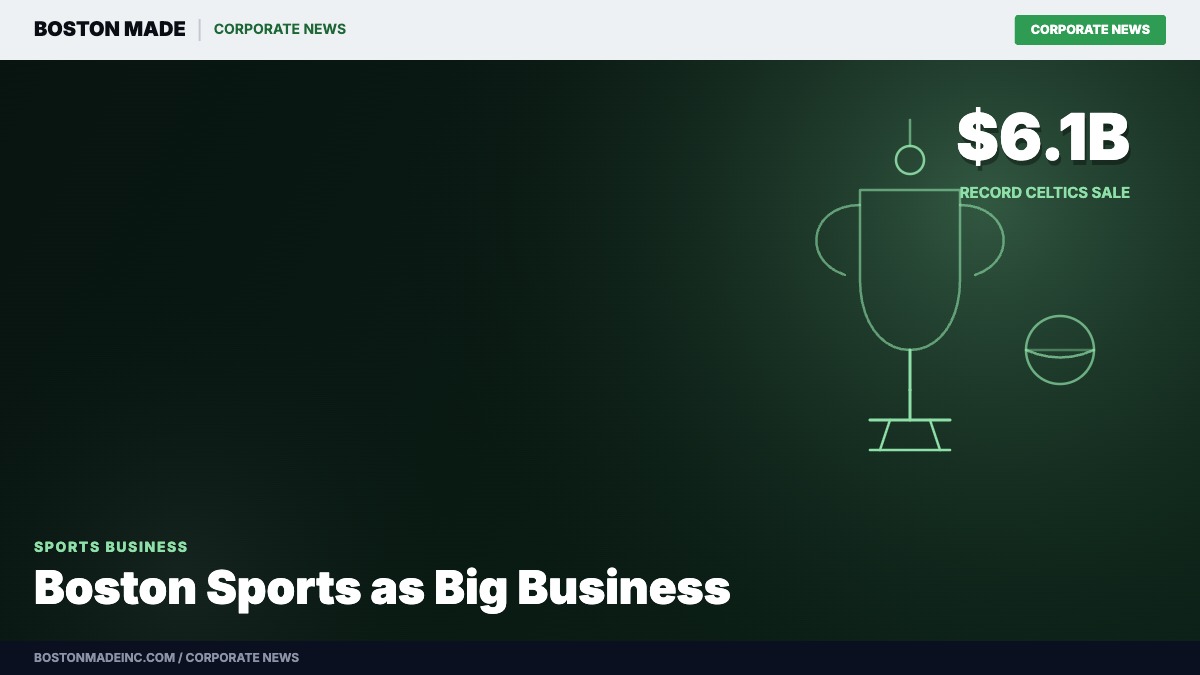
Boston Sports as Big Business: A Record $6.1 Billion Celtics Sale and a Hall of Fame Nod for Robert Kraft
Banking & Finance
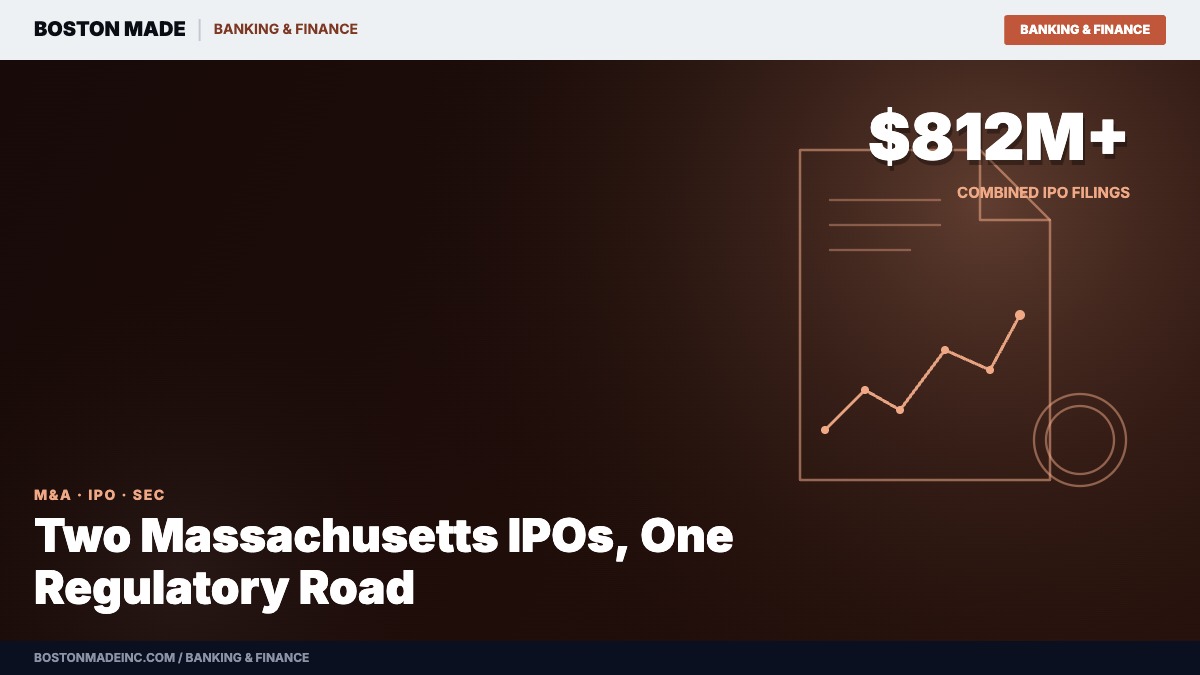
Two Massachusetts IPOs, One Regulatory Road: Understanding S-1s, Red Herrings, and the Lawyers Behind the Deal

Boston-Based BOSSTOX Launches AI Infrastructure Intelligence Platform for Analysts and Investors

Boston Sports as Big Business: A Record $6.1 Billion Celtics Sale and a Hall of Fame Nod for Robert Kraft

Two Massachusetts IPOs, One Regulatory Road: Understanding S-1s, Red Herrings, and the Lawyers Behind the Deal

Boston Made Introduces Music Videos

Building Something Bigger: The Future of Boston Made Pets Is Under Construction

Boston Made Expands Creative Content with New “Bands” Music Video Series
-
 Videos9 months ago
Boston Made Introduces Music Videos
-
 E-Commerce9 months ago
Building Something Bigger: The Future of Boston Made Pets Is Under Construction
-
 Videos9 months ago
Boston Made Expands Creative Content with New “Bands” Music Video Series
-

 E-Commerce9 months ago
Boston Made Launches Online Tech Store
-

 E-Commerce9 months ago
The Future of Pet Care: Exploring Smart Dog Wearables and Innovative Pet Tech
-

 Pet Industry8 months ago
Designed for Pets and Their People
-
 Economic Development3 weeks ago
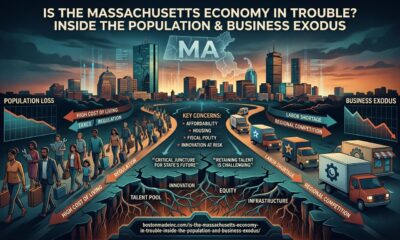
Is the Massachusetts Economy in Trouble? Inside the Population and Business Exodus
-

 Education8 months ago
Keep Up With Nate Launches on Boston Made Newsroom