Connect with us

Weather where you are

Choose your location or share it once. We round your coordinates to about 1 km before sending them to our site and MET Norway for your forecast. Your choice stays in this browser tab.

Stay close to Boston

Get new Boston stories and Boston Made company updates, delivered as browser notifications.

Choose Enable notifications, then allow notifications in your browser.

Your browser subscription is stored by Boston Made and delivered through your browser’s push service. You can turn notifications off in your browser’s site settings. Privacy policy

Corporate News

Starting a Founder Newsletter: What to Share, How Often and What to Keep Private

A founder newsletter can build trust and keep an audience informed, but only if it has a clear purpose and firm boundaries. This guide covers format, cadence, content ideas and privacy.

Published

on

Man with glasses in a modern office setting

Keep Up With Nate is a founder content channel, and “Nate” is a pen name. Channels like it reflect a broader trend: founders sharing lessons, progress and perspective directly with readers. A newsletter is one of the most durable ways to do that, because it arrives in an inbox the reader chose to share. This guide explains how to start a founder newsletter with a clear purpose, a sustainable rhythm and sensible privacy boundaries.

Why a Newsletter?

Social feeds are crowded and shaped by algorithms. A newsletter goes to people who signed up, and it can be read on their schedule. It also gives the writer room to explain ideas fully rather than compressing them into short posts. For founders, a newsletter can serve several purposes at once: documenting lessons, keeping supporters informed, thinking through problems in writing and building a body of work over time.

Advertisement

Advertisement

Define the Purpose and Reader

Before writing the first issue, answer three questions:

  1. Who is the reader? Other founders, customers, a professional community or a general audience curious about building a business?
  2. What will they get? Practical lessons, reflections, curated links, behind-the-scenes notes or some combination?
  3. Why will they keep reading? What makes this newsletter different from others in the inbox?

Write the answers as a one-sentence promise and place it on the sign-up page. A clear promise attracts the right readers and keeps the writer focused.

Choosing a Format

Common founder newsletter formats include:

  • The single essay: one idea explored in depth each issue.
  • The lesson log: a short list of things learned since the last issue.
  • The curated digest: a handful of links with commentary.
  • The progress note: what was attempted, what worked and what did not.
  • The question-and-answer: responses to questions from readers.

A consistent structure helps readers know what to expect. Many newsletters combine a short essay with a few recurring sections.

Setting a Sustainable Cadence

Frequency should match capacity. A weekly newsletter builds habit but requires steady output; a monthly newsletter allows deeper issues but risks being forgotten between sends. The most important quality is reliability. Readers notice when a newsletter that promised weekly issues goes quiet for months.

Advertisement

A practical approach is to start at a modest cadence, write several issues in advance and increase frequency only after the rhythm feels comfortable.

Content Ideas That Age Well

Founder newsletters are most valuable when they share useful thinking rather than announcements. Topics that tend to hold up include:

  • Decision-making frameworks and how they were applied.
  • Mistakes and what changed as a result.
  • Tools, routines and processes that saved time.
  • Reading notes from books or articles.
  • Questions the founder is still working through.
  • Explanations of industry concepts for a general audience.

Avoid turning every issue into a sales pitch. Readers subscribe for perspective; constant promotion erodes trust.

Drawing Privacy Boundaries

Founders who write publicly face a constant question: how much is too much? Clear boundaries, decided in advance, prevent regret later. Many writers choose to keep the following out of public writing:

  • Details about family members, children and friends who have not agreed to be written about.
  • Home address, neighborhood, daily routines or real-time location.
  • Health information and other sensitive personal matters.
  • Confidential business information, such as unannounced deals, client details or financial specifics.
  • Information about employees, partners or customers without their permission.

Some founders also write under a pen name to separate their public voice from their personal life. A pen name can create useful distance, though it works best when paired with consistent discipline about which identifying details are shared.

Advertisement

Honesty Without Oversharing

Readers value candor, and newsletters that admit uncertainty often feel more trustworthy than polished success stories. Candor does not require full disclosure. It is possible to describe a difficult decision, a setback or a change in direction in general terms while leaving out names, numbers and private details. A useful test before publishing is to ask whether anyone mentioned or implied in the issue would be comfortable reading it.

Practical Setup

Most email newsletter platforms handle sign-up forms, sending and unsubscribes. Whatever the tool, a few basics matter:

  1. Use a confirmed opt-in so only interested readers receive issues.
  2. Include a clear unsubscribe link in every send, as email marketing rules in many places require.
  3. Write a short welcome message that restates the newsletter’s promise.
  4. Keep the design simple and readable on phones.
  5. Archive past issues so new readers can catch up.

Measuring Progress Sensibly

Open rates have become less reliable as email apps change how they report them. Replies, forwards, steady subscriber growth and low unsubscribe rates often say more about whether a newsletter is working. A single thoughtful reply from a reader can be a better signal than any percentage.

Handling Reader Replies

One of the advantages of a newsletter is that readers can reply directly. Those replies can be a rich source of ideas, corrections and questions for future issues. Setting aside a regular time to read and respond keeps the relationship two-way. If a reader shares something personal or sensitive, treat it as private unless they give clear permission to quote them, and remove identifying details even then. Respecting readers’ privacy is part of the same boundary-setting that protects the writer.

Common Pitfalls

  • Launching without a clear purpose.
  • Promising a cadence that cannot be sustained.
  • Sharing personal or confidential details impulsively.
  • Letting issues become mostly promotional.
  • Ignoring reader replies.

A founder newsletter is a long game. Steady, honest, well-bounded writing builds a record of thinking that readers can return to and that the writer can look back on with confidence.

Quick check: What is the most important quality of a newsletter’s publishing cadence?

  1. It should always be daily
  2. It should be reliable and sustainable for the writer
  3. It should change every month to keep readers guessing
Show answer

B. Readers value consistency, so a modest schedule that is actually kept beats an ambitious one that stalls.

Kingswell Strategic Ventures Boston Made family Kingswell Strategic Ventures Holding company that owns Boston Made, Inc. and Paxton-Digital, and sets long-term strategy. Visit site →

Advertisement

Latest stories

View all
Boston History · Nov 26, 2026The Liberty Tree: Where Boston Learned to RebelAn elm near Boston Common became a gathering place, a political symbol, and one of revolutionary America's most famous trees.Read story
Continue Reading

Corporate News

Boston Made Shares a First Look at Heart Latch

A name, a mark and a web address: Boston Made, Inc. offers the first clues about Heart Latch, a new app built around how two people meet.

Published

on

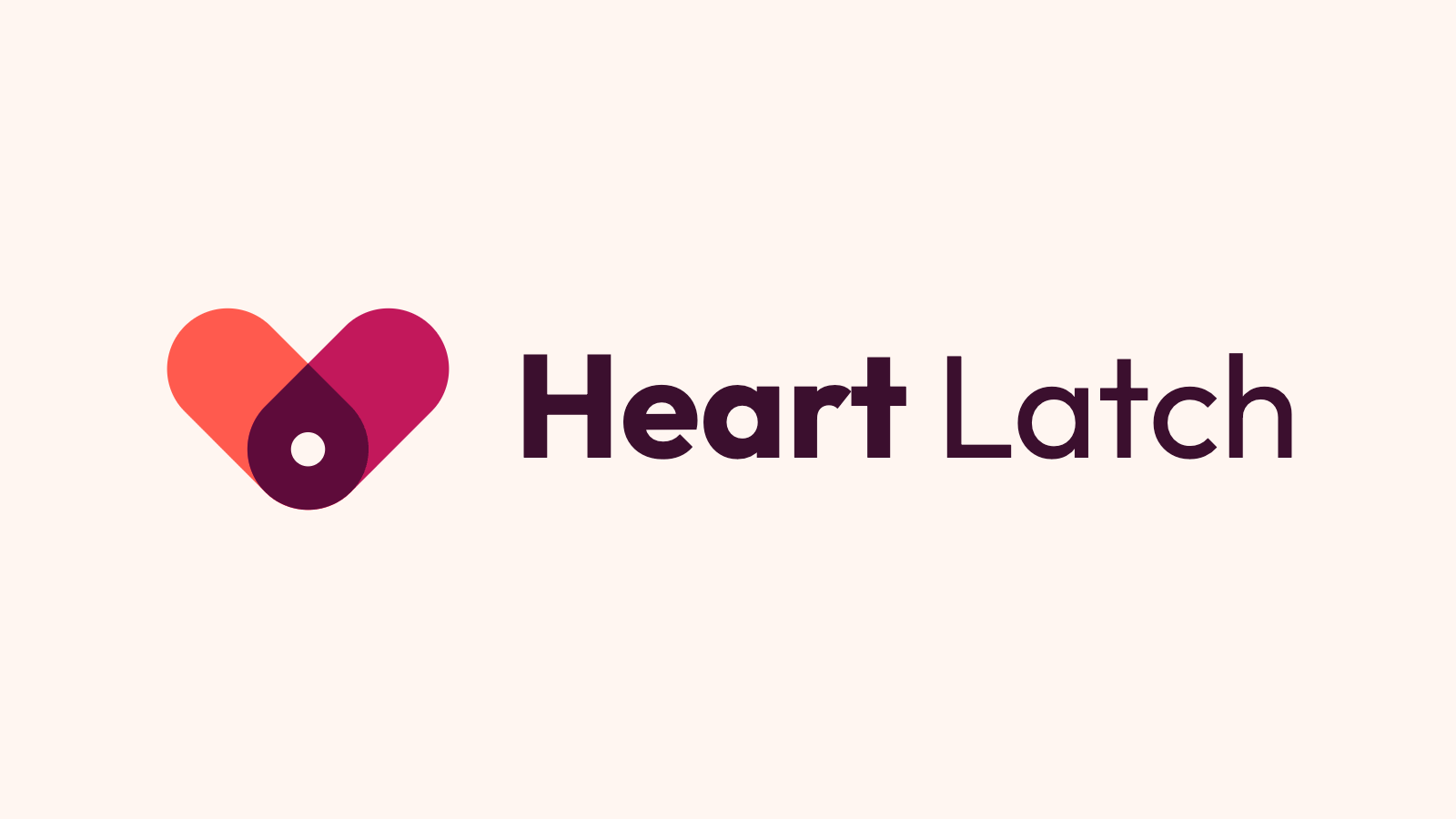
Heart Latch logo: two linked shapes forming a heart beside the Heart Latch wordmark

FOR IMMEDIATE RELEASE
November 20, 2026

Boston Made, Inc. today shared the first look at a new venture it has been keeping quiet: a name, a mark and a web address. The name is Heart Latch. The mark is two shapes that link together to form a heart. The address is heartlatch.com.

Advertisement

Advertisement

Everything else is staying under wraps for now, but the company offered a few clues about where this is going. Heart Latch is an app. It is about people, not products. And it is built around a simple belief: the hardest part of meeting someone should not be the software.

Reading the mark

The Heart Latch logo is made of two rounded shapes, one coral and one deep rose, that cross and lock into a single heart. Where they overlap, the color deepens. At the point where they meet there is a small opening, the latch. Two separate things, one connection, and a door that only opens when both sides want it to.

Two people. One latch. The rest of the story is coming.

What the company will say for now

  • Heart Latch is a new company in the making, with its own name, its own look and its own home at heartlatch.com.
  • It is being designed for real conversations and real first meetings, not endless scrolling.
  • Safety, honesty and respect are being treated as the foundation, not as features added later.
  • It will arrive on phones first.

What comes next

Boston Made is not announcing a launch date, pricing or a list of cities today. Those details will be shared when the product is ready to be judged on its own merits. In the meantime, the name and the mark are public, and the address is live to bookmark.

Anyone curious about Heart Latch can follow the Boston Made newsroom for the full announcement.

Advertisement

About Boston Made, Inc.

Boston Made, Inc. is a Delaware corporation founded in 2019 by Nathanael Strickland, Founder & CEO. It is the company behind the Boston Made family of brands, spanning publishing, pets, web design, software and community projects. Learn more at bostonmade.com.

Media contact: sales@bostonmade.com

This release describes projects that are still in development. Names, features, timing and availability may change, and nothing here is an offer to sell a product or service.

Boston Made Pets Boston Made family Boston Made Pets Pet apparel and gear inspired by Boston the GoldenDoodle. Visit site →

Advertisement

Continue Reading

Corporate News

Boston Made Opens Advertising on bostonmade.com and BOSSTOX With Published Rates

Boston Made, Inc. opened advertising on bostonmade.com and BOSSTOX, with event boosts from $5 a day and rates posted on each site’s Advertise page.

Published

on

A printing press running sheets of newsprint

BOSTON, Nov. 12, 2026 — Boston Made, Inc. today opened advertising on two of its websites, bostonmade.com and BOSSTOX (bosstox.com), with rates published on each site’s Advertise page. Local businesses, event organizers and companies that want to reach readers following the AI infrastructure buildout can now see prices, placements and ground rules before they reach out, rather than requesting a media kit and waiting for a quote.

The launch follows the company’s move this week to give each brand its own newsletter list, so sponsors reach readers who signed up for that brand’s coverage specifically.

Advertisement

Advertisement

What is available on bostonmade.com

Boston Made publishes Boston and New England news, city guides and local stories. Its Advertise page, at bostonmade.com/advertise, lists three options:

  • Event boost — $5 per day. An event or local listing appears in a spot labeled “Promoted” on bostonmade.com for the days the advertiser chooses. It is built for small budgets: a neighborhood fundraiser, a pop-up market or a restaurant’s holiday menu can run for a long weekend for the price of a coffee a day.
  • Newsletter sponsor — $150 per send. A short, labeled message in the Boston Made newsletter, written in plain language and linked to the sponsor’s site. Each newsletter carries one sponsor, so the message is never buried among others.
  • Sponsored article — pricing on request. A feature written with the Boston Made desk or supplied by the sponsor, labeled “Sponsored” with the sponsor’s name and kept separate from news coverage.

What is available on BOSSTOX

BOSSTOX covers the infrastructure that makes artificial intelligence possible: power, grid equipment, data centers, cooling, chips, networking, capital and supply chains. Its readers include operators, engineers, procurement teams, founders and business readers who want specifics. The BOSSTOX Advertise page, at bosstox.com/advertise, lists:

  • Newsletter sponsorship — $40 to $100 CPM. Priced per 1,000 newsletter opens, with one sponsor per edition. The rate depends on placement and length.
  • Display and site sponsorship — pricing on request. Clearly labeled positions alongside BOSSTOX coverage.
  • Research and briefing sponsorship — pricing on request. Support for a labeled research series, briefing or special report that fits BOSSTOX readers’ interests.

Every BOSSTOX sponsorship carries an “education only” label. BOSSTOX does not run stock picks, brokerage offers or trading promotions, and it does not execute trades or give investment advice.

Why publish the prices

Many publishers keep their rates behind a media kit request or a sales call. That works for large agencies, but it slows down the small businesses that make up most of a local audience. A bakery owner deciding whether to promote a holiday open house should not need three emails to learn what it costs.

Published prices also make the offer easier to compare. An advertiser can weigh a $5 daily event boost against a social media ad, or a $150 newsletter sponsorship against a print insert, and decide in minutes. Final terms are still confirmed in writing before anything runs, and prices are listed in U.S. dollars.

Advertisement

Publishing rates also keeps the company honest with readers. When the price of a placement is public, so is the fact that it is paid, and the labels on the page match what anyone can read on the Advertise page.

The rules every sponsor agrees to

Both sites apply the same standards to paid placements:

  1. Every paid placement is labeled. Readers see “Promoted” or “Sponsored” wherever paid material appears.
  2. Advertisers do not buy coverage. Sponsors never review, approve or edit news reporting, sourcing or corrections.
  3. One sponsor per newsletter. Each send carries a single sponsor message.
  4. Written terms first. Pricing, dates and placement are confirmed in writing before a placement runs.

The full terms for each placement are listed on the Boston Made and BOSSTOX Advertise pages.

How the newsletters fit in

Newsletter sponsorships depend on readers who chose to subscribe. Boston Made now keeps a separate list for each brand: a reader who joins on bosstox.com joins the BOSSTOX weekly, and a reader who joins on bostonmade.com joins Boston Made’s list. Nobody is added to a list without signing up, and every email includes a way to unsubscribe.

For sponsors, that separation is the point. A message about grid equipment or data center services reaches BOSSTOX readers who asked for AI infrastructure coverage. A message about a Boston restaurant week reaches readers who follow the city. Neither audience receives the other’s offers.

Advertisement

Who the program is for

  • Local businesses and organizers in Greater Boston promoting events, openings, seasonal menus, markets, classes and fundraisers.
  • Companies serving the AI buildout, including equipment makers, engineering and construction firms, energy and cooling suppliers, and software and services providers, that want to reach technical and business readers.
  • Nonprofits and community groups that want an affordable, clearly labeled way to announce a date or a drive during the holiday season.

How to book

To book on bostonmade.com, email sales@bostonmade.com with the business name, what you want to promote, your dates and your budget. To book on BOSSTOX, use the contact form linked from bosstox.com/advertise and include who you want to reach and your timing. Each site replies with available dates and written terms.

The holiday season is typically the busiest time for local events. Event boosts can be booked for specific days, so organizers can line up promotion around a single weekend or a run of December dates.

About Boston Made, Inc.

Boston Made, Inc. is a Massachusetts company behind a family of independent websites and brands, including bostonmade.com, BOSSTOX and Pupwear. The company builds digital products, local guides and media for readers and businesses across Massachusetts and beyond.

Media contact: sales@bostonmade.com

Source: Boston Made, Inc.

Quick check

How much did you catch? Tap a question to see the answer.

1. What does an event boost on bostonmade.com cost?

Answer: $5 per day, in a spot labeled “Promoted.”

2. How is BOSSTOX newsletter sponsorship priced?

Answer: $40 to $100 per 1,000 newsletter opens (CPM), one sponsor per edition.

3. Can a sponsor review news coverage before it runs?

Answer: No. Sponsors never review, approve or edit news reporting.

Paxton-Digital Boston Made family Paxton-Digital Enterprise technology for IP protection and portfolio management · a Kingswell company. Visit site →

Advertisement

Continue Reading

Corporate News

Boston Made, Inc. Opens Brand Newsletters, Launches a Springfield City Guide and Adds Verified Sign-Ups

Boston Made, Inc. opened sign-ups for the BOSSTOX weekly and Pupwear’s The Pack, published a Springfield city guide and added email-verified accounts.

Published

on

Aerial view of the Boston skyline at sunset

BOSTON, Nov. 11, 2026 — Boston Made, Inc. today announced three updates across its websites: new brand-specific email newsletters for BOSSTOX and Pupwear, a new Springfield, Massachusetts city guide on bostonmade.com, and email verification for new member accounts on its member sites. The changes went live this week.

Together, the updates reflect the company’s focus this season: giving each brand its own direct line to readers, expanding local coverage across Massachusetts and protecting member communities from automated sign-ups.

Advertisement

Advertisement

Brand newsletters: one list per brand

Readers who sign up on a Boston Made brand site are now added to that brand’s own newsletter list, instead of a single shared list. Each brand speaks to its readers directly, about the topics they came for.

  • BOSSTOX weekly (bosstox.com): BOSSTOX covers the infrastructure behind artificial intelligence, including compute, power, cooling, networks and the capital that funds them. The weekly newsletter gathers that coverage in one email. BOSSTOX publishes news and analysis for information only and does not execute trades.
  • Pupwear’s “Join The Pack” (pupwear.org): Pupwear’s list is for dog owners who want practical warmth, apparel and gear guidance, and dog-life stories.

Sign-ups happen through a small join box on each site. Existing subscribers keep receiving the emails they already signed up for; nobody has been moved to a new list without signing up. Every email includes a way to unsubscribe.

How the newsletter sign-up works

The join box asks for an email address and adds it to the newsletter of the site the reader is visiting: a BOSSTOX reader joins the BOSSTOX list, and a Pupwear reader joins The Pack. The box appears only after a visitor has made a choice on the site’s cookie banner, so privacy choices always come first.

Separate lists also make each newsletter more useful. A reader interested in AI infrastructure and capital markets does not need dog-gear updates, and a dog owner looking for winter coat advice does not need market coverage. Keeping lists by brand lets each newsletter stay focused on what its readers signed up for.

A new Springfield city guide

Boston Made has published a Springfield city guide at bostonmade.com/explore-springfield-ma. Springfield is a western Massachusetts city on the Connecticut River with its own downtown and surrounding neighborhoods, and the guide is designed as a starting point for people researching the city for a home or a business location.

Advertisement

The guide is organized around practical questions:

  • Homes: visit an address at different times of day, check transportation routes, building access, utilities and the condition of the home, and compare documented facts with your needs.
  • Commercial: confirm permitted use, access, parking, utilities and any existing lease terms with local offices and professionals before evaluating a business location.
  • Records: go to the source, confirming municipal records directly.

The guide states plainly that live MLS listings and city-level market statistics are not connected yet. It is a research tool, not a listing service, and it sits alongside Boston Made’s other Massachusetts and New England location pages.

Email verification for new member accounts

New member accounts on bostonmadeinc.com and app.bostonmade.com now require email confirmation. When someone registers, they receive an account activation email, and the account becomes active only after the link in that email is clicked.

The change follows a review of member accounts across Boston Made sites this month, during which more than 150 spam and automated accounts were removed. Automated sign-ups can clutter member communities, distort audience numbers and create security risks. Email verification is a simple, widely used step that stops most of them while adding only a moment for real members.

Existing members are not affected and do not need to take any action.

Advertisement

Email verification, step by step

  1. A new member completes the registration form on a Boston Made member site.
  2. The site sends an account activation email, with the subject line “Please activate your account.”
  3. The new member clicks the activation link in that email.
  4. The account becomes active, and the member can sign in.

If the email does not arrive, it is worth checking spam or promotions folders and adding the sender to the address book. Accounts that are never activated simply stay inactive, which keeps automated sign-ups out of the member community.

What has not changed

These updates do not change existing member accounts, existing newsletter subscriptions or the content on any Boston Made site. Readers who already receive Boston Made emails will continue to receive them unless they choose to unsubscribe. The Springfield guide adds to Boston Made’s location pages without replacing any of them.

Why these updates matter

Each change addresses a simple goal. Brand-specific newsletters mean readers get the content they asked for. Local guides such as Springfield’s help people make better decisions about where to live and work. Verified sign-ups keep member communities real.

For readers and members

  • To join a brand newsletter: visit the brand’s website and use the join box.
  • To explore Springfield: visit bostonmade.com/explore-springfield-ma.
  • New to a Boston Made member site? Watch your inbox for the activation email after registering, and check your spam folder if it does not arrive within a few minutes.
  • Already a member? Nothing changes for you.

About Boston Made, Inc.

Boston Made, Inc. is a Massachusetts company behind a family of independent websites and brands, including bostonmade.com, BOSSTOX and Pupwear. The company builds digital products, local guides and media for readers and businesses across Massachusetts and beyond.

Media contact: sales@bostonmade.com

Source: Boston Made, Inc.

Quick check

How much did you catch? Tap a question to see the answer.

1. Which two brand newsletters opened this week?

Answer: The BOSSTOX weekly and Pupwear’s “Join The Pack.”

2. Does the Springfield guide show live MLS listings?

Answer: Not yet. It is a research starting point; listings and market statistics are not connected yet.

3. What do new members need to do after registering?

Answer: Click the link in the account activation email.

Beacon Federal Partners Affiliate Beacon Federal Partners Independent government-contracting firm and Boston Made affiliate. Visit site →

Advertisement

Continue Reading
Advertisement

Advertisement

Ad

Advertisement

Trending

More doors into Boston Made

The newsstand, the brands and the AI research desk, each updated as new stories go live.

Boston Made Reader Every Boston Made story in one feed, newest first. Newest from Boston MadeBoston Holiday Lights and Events, Nov. 30 to New Year’s Eve Open Reader The brands Every company in the Boston Made family: what it does and where to find it. Boston Made+ReaderBOSSTOXBoston Made PetsPupwearThe SixFenway WebBoston Made CoffeeBoston Made Foundation See the brands BOSSTOX Research on AI infrastructure: compute, cooling, power and networks. Newest from BOSSTOXA Backup Exists; a Restore Still Needs to Be Demonstrated Read BOSSTOX
--:--·---·--°