
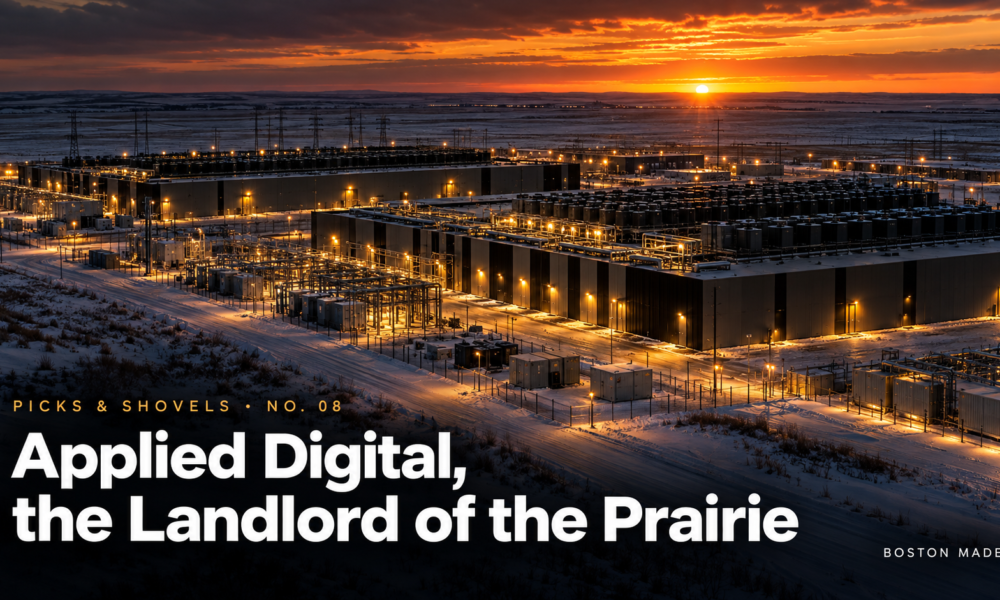

A former crypto host now has 1,410 MW of AI capacity under contract and about $36 billion in base-term lease revenue. Applied Digital builds powered campuses...
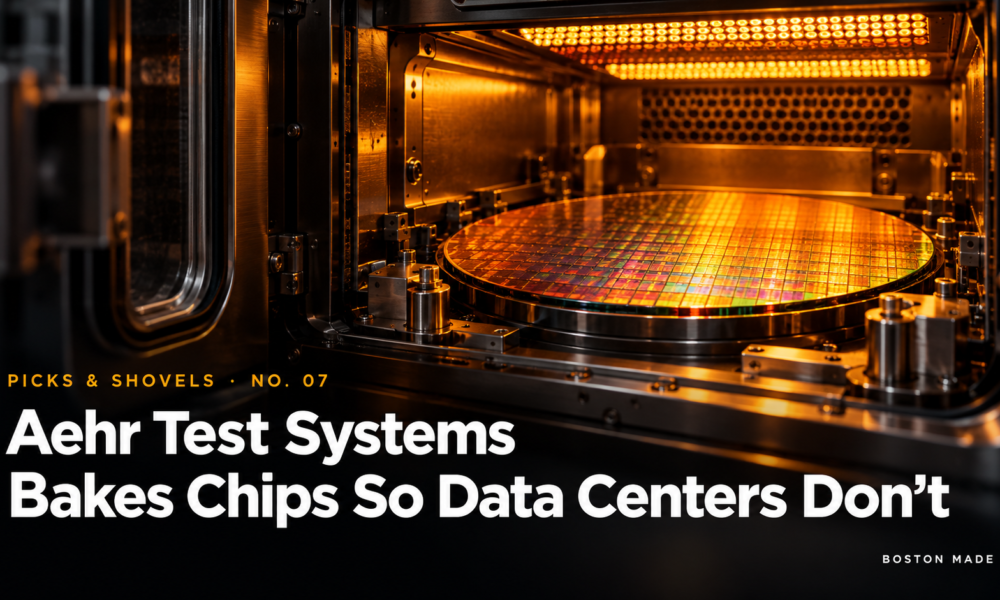

A $50-million-a-year company just booked a record $60.7 million in one quarter and guided to $130–150 million next year. Aehr’s burn-in systems catch bad AI chips...



Everyone talks about TSMC’s packaging lines. Amkor — the largest U.S.-headquartered packaging-and-test company — is putting $7 billion into an Arizona campus, with Apple and Nvidia...


Active electrical cables sound boring. Credo sells them — plus the chips inside them — and revenue rose 115% to $479 million last quarter.


Lumentum’s quarterly revenue crossed $1 billion for the first time, up 109%, on lasers and optical switches that connect GPUs. Next quarter’s guide implies about 130%...



Modine’s data-center segment grew 90% to $348.6 million last quarter and is now its biggest business. The market still prices it like an auto-parts supplier.

When the grid says “wait five years,” some data centers make their own electricity. Bloom Energy’s fuel cells posted Q2 2026 revenue of $1.07 billion, up...



Gas-turbine backlog plus reservations hit 116 GW in Q2 2026, and data-center electrification orders topped $5 billion in the first half alone. GE Vernova is the...



Hyperscalers are on track to spend roughly $725 billion or more on capital projects in 2026. Most of that money doesn’t go to chatbots — it...



From George III’s tea taxes to King Charles III’s Poundbury, what Boston and Britain can learn from each other about keeping historic streets walkable, and where...



Twelve brands, one front door. Find the right Boston Made site in a couple of taps.
Open DiscoverEvery story from every Boston Made site lands in the Reader within a minute of going live.
Open ReadShop the Boston Made store, PUPWEAR gear for dogs and the Boston Made Pets shop.
Open ShopFollow the Where's Taylor? trail across the network or play the Boston Made Arcade. Fan-made and just for fun.
Open PlayOne free Boston Made Account works on every site. Boston Made+ is the optional paid membership for members-only stories, tools and perks.
Open CommunityWebsites, software and business services, plus the company behind the network and investor information.
Open Work with us