Connect with us

Weather where you are

Choose your location or share it once. We round your coordinates to about 1 km before sending them to our site and MET Norway for your forecast. Your choice stays in this browser tab.

Stay close to Boston

Get new Boston stories and Boston Made company updates, delivered as browser notifications.

Choose Enable notifications, then allow notifications in your browser.

Your browser subscription is stored by Boston Made and delivered through your browser’s push service. You can turn notifications off in your browser’s site settings. Privacy policy

Boston History

Boston’s Venture Capital Origins

Modern venture capital took shape in Boston in 1946, when Harvard professor Georges Doriot and civic leaders founded American Research and Development. Its bet on Digital Equipment Corporation became legendary.

Published

on

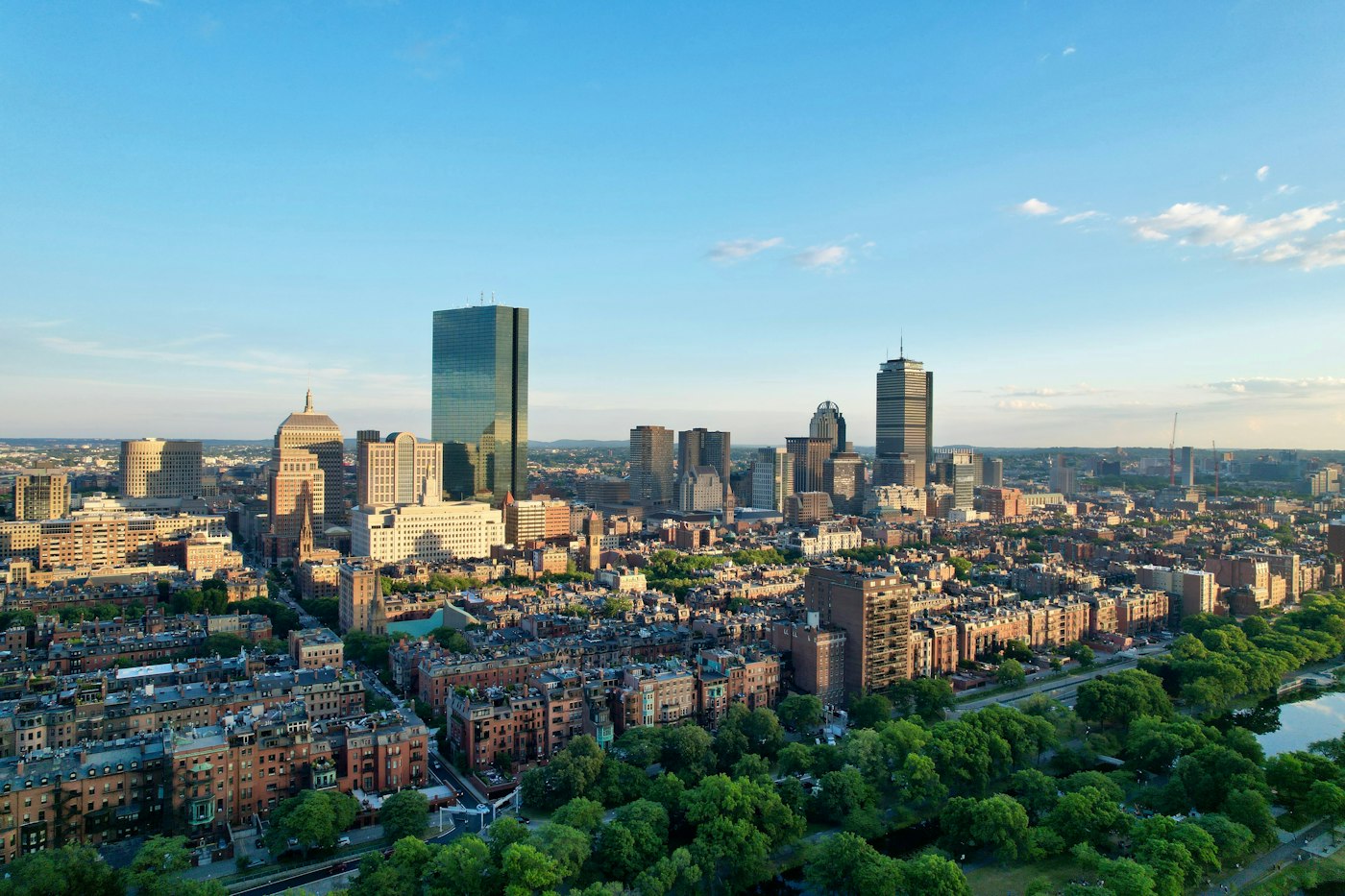
An aerial view of a city with tall buildings

Venture capital is often associated with Silicon Valley, but one of its most important early experiments took place in Boston. In 1946, a group of business, academic and civic leaders founded American Research and Development Corporation, known as ARD, to invest in young companies built on new technology. Its guiding figure was Georges Doriot, a Harvard Business School professor whose ideas about building companies shaped the industry for decades. ARD’s investment in a small computer company in a former woolen mill west of Boston became one of the most famous deals in business history.

A Problem After the War

The Second World War had poured money into scientific research. Universities such as MIT and Harvard had developed radar, electronics and other technologies on a massive scale. As the war ended, many people in Boston worried that this scientific talent would not translate into new businesses and jobs. New England’s traditional industries, especially textiles, were declining as mills moved south or closed.

Advertisement

Advertisement

The question was how to finance new technology companies. Banks typically lent to established firms with collateral. Wealthy families invested privately, but informally and on a limited scale. There was no organized system for providing long-term capital, combined with management help, to young companies with promising technology and uncertain prospects.

Founding ARD

ARD was created to fill that gap. Its founders included Ralph Flanders, then president of the Federal Reserve Bank of Boston and later a U.S. senator from Vermont; Karl Compton, the president of MIT; and Merrill Griswold, a Boston investment trust executive. They recruited Georges Doriot to lead the firm.

ARD was structured as a publicly traded company, which was unusual. Rather than raising money only from a few wealthy families, it sold shares to the public and to institutions, then invested that capital in young companies. That structure created challenges, since public investors and regulators were not used to an enterprise that might take years to show returns, but it also made ARD a pioneering model of institutional risk capital.

Georges Doriot

Doriot was born in France in 1899 and came to the United States to study at Harvard Business School, where he later became a professor. His course on manufacturing became legendary among students for its emphasis on practical judgment, character and long-term thinking. During the Second World War, he served in the U.S. Army, working on military research and procurement and rising to the rank of brigadier general.

Doriot believed that venture investing was about people as much as ideas. He looked for founders with integrity, determination and the ability to learn, and he saw the investor’s role as helping them build companies over many years, not simply providing money and waiting for a profit. He is often called the father of venture capital. He also helped found INSEAD, the international business school in France.

Advertisement

Early Investments

ARD’s early investments included companies working on nuclear-related equipment, water treatment and other technologies emerging from research labs. One of its first was High Voltage Engineering Corporation, founded by MIT scientists to make particle accelerators. Not every investment succeeded. Several struggled or failed, and for years ARD’s overall returns were modest. Critics questioned whether the model could work.

Digital Equipment Corporation

In 1957, two engineers from MIT’s Lincoln Laboratory, Ken Olsen and Harlan Anderson, approached ARD with a plan to build computers. Computers at the time were huge, expensive machines sold mainly to governments and large corporations. Olsen and Anderson believed smaller, interactive machines could find a market.

ARD invested $70,000 in exchange for a large majority stake, commonly reported at about 70 percent of the company. Advised to avoid the word “computer,” which investors associated with costly failures, the founders initially described their business as making electronic modules. They set up shop in part of an old woolen mill in Maynard, Massachusetts.

Advertisement

The company, Digital Equipment Corporation, or DEC, grew into one of the most important computer makers in the world, known especially for minicomputers that made computing more accessible to universities, laboratories and businesses. When DEC went public in the 1960s, ARD’s stake became worth many millions of dollars, an extraordinary return on the original investment. The DEC deal proved that venture capital could produce enormous gains, and it became the industry’s founding legend.

The Legacy of ARD

ARD’s influence spread through the people it trained and the model it demonstrated:

  • A professional approach. ARD showed that investing in young companies could be a structured, professional business rather than a hobby for wealthy individuals.
  • Active involvement. Doriot’s emphasis on helping founders build companies became a lasting principle of venture capital.
  • A talent pipeline. Several ARD alumni went on to found or lead their own firms. Greylock, founded in the Boston area in the 1960s, was among the venture firms with roots in the ARD tradition.
  • The partnership model. ARD’s difficulties as a public company helped convince later investors to organize as private limited partnerships, which became the industry’s dominant structure.

In 1972, ARD merged with Textron, a diversified industrial company, ending its independent existence.

From Route 128 to Today

The companies ARD and later investors backed helped create the technology corridor along Route 128 outside Boston, which for decades rivaled Silicon Valley as a center of computing. The region’s technology economy has changed many times since, from minicomputers to software, the internet, robotics and biotechnology, but the basic model ARD pioneered, combining patient capital with hands-on guidance, remains central to how new companies are built.

Capital for New Ideas

ARD was born from a worry that Boston’s scientific talent would go to waste. Its answer, a new way to fund and guide young companies, became one of the tools the region has used again and again to reinvent its economy.

Quick check: Which company became ARD’s most famous investment?

  1. High Voltage Engineering
  2. Digital Equipment Corporation
  3. Textron
Show answer

B. ARD’s roughly $70,000 investment in DEC in 1957 grew enormously in value and became venture capital’s founding legend.

Boston Made Reader Boston Made family Boston Made Reader Free e-reader app for long reads, wires and books. Visit site →

Advertisement

Latest stories

View all
Boston History · Nov 26, 2026The Liberty Tree: Where Boston Learned to RebelAn elm near Boston Common became a gathering place, a political symbol, and one of revolutionary America's most famous trees.Read story
Continue Reading

Boston History

The Liberty Tree: Where Boston Learned to Rebel

An elm near Boston Common became a gathering place, a political symbol, and one of revolutionary America’s most famous trees.

Published

on

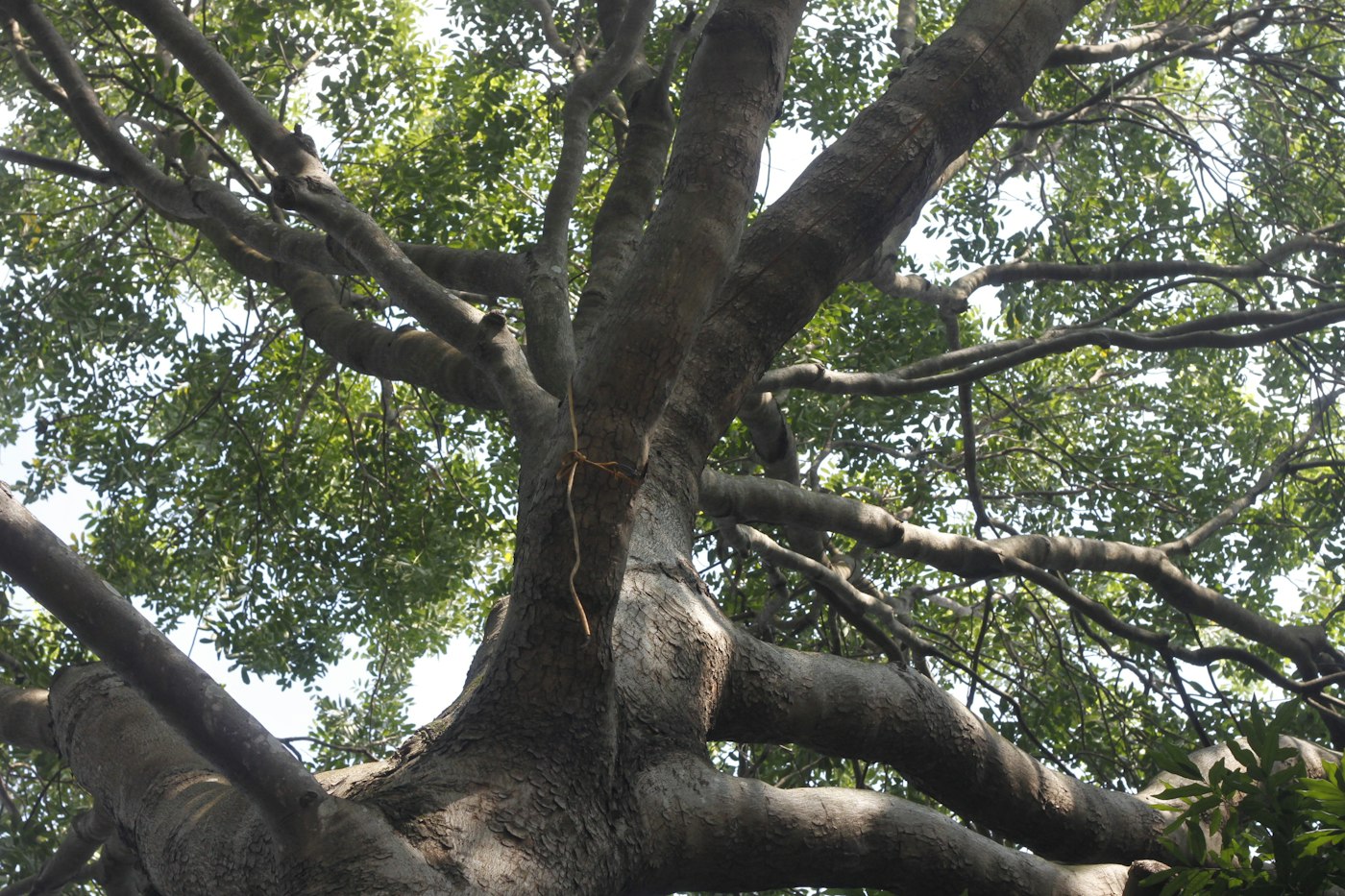
A large tree with thick branches and green leaves against a bright sky

31 Days of Boston — Day 11

An elm near Boston Common became a gathering place, a political symbol, and one of revolutionary America’s most famous trees.

Advertisement

Advertisement

It was only a tree until Boston made it a symbol. The great elm that became known as the Liberty Tree stood near what is now the intersection of Essex and Washington Streets, a short walk from Boston Common. During the Stamp Act crisis, protesters used the site for effigies, demonstrations, and political theater. Within a few years, a single elm had become one of the most recognizable emblems of colonial resistance anywhere in British America.

Boston in 1765

The story begins with the Stamp Act, passed by Parliament in 1765. It required that a wide range of printed materials in the colonies — newspapers, legal documents, licenses, almanacs, even playing cards — carry a tax stamp. To many colonists, it was the first direct tax imposed on them by a Parliament in which they had no representatives, and it fell hardest on exactly the people who shaped public opinion: printers, lawyers, merchants and ministers.

Boston was already tense. The town was struggling economically after the end of the Seven Years’ War, and tighter customs enforcement had angered merchants. The Stamp Act gave that frustration a focus.

The Morning of the Effigy

In August 1765, Bostonians woke to find an effigy hanging from the branches of the great elm. It represented Andrew Oliver, the man appointed to distribute the stamps in Massachusetts. Beside it hung a boot, a pun on the Earl of Bute, a former royal adviser widely blamed by colonists for unpopular policies.

The display drew crowds through the day. That evening, a procession carried the effigy through the town, damaged a building associated with Oliver and attacked his house. Oliver soon announced he would not serve as stamp distributor. Later that month, a far more destructive crowd ransacked the home of Lieutenant Governor Thomas Hutchinson. That violence alarmed many colonial leaders, who wanted resistance to be firm but disciplined.

Advertisement

Who was behind it

The organizers came from a network of Boston artisans, shopkeepers and merchants. A group known as the Loyal Nine helped plan the demonstrations, and a shoemaker named Ebenezer Mackintosh was a prominent crowd leader. From this milieu emerged the broader movement that called itself the Sons of Liberty, which became closely linked to the elm.

How a Tree Became a Symbol

Its power came from repetition. Every gathering added meaning. The tree became a physical address for resistance and a symbol copied elsewhere in the colonies. “Liberty” moved from pamphlet language into public space.

Over the months that followed, the elm was formally named the Liberty Tree, and the open ground beneath it was sometimes called Liberty Hall. Notices were posted on its trunk. Officials suspected of supporting unpopular measures were summoned there to renounce them publicly. A flagstaff was raised so that a flag could signal meetings. When news arrived in 1766 that Parliament had repealed the Stamp Act, Bostonians celebrated at the tree, hanging lanterns in its branches.

Other towns followed Boston’s example. Communities across the colonies designated their own liberty trees or raised liberty poles. The idea traveled faster than any single pamphlet could, because it was simple, visible and easy to copy.

The Tree Falls, the Idea Survives

British forces eventually cut the tree down during the occupation of Boston. In 1775, with the town under siege, soldiers and Loyalists felled the elm, which reportedly yielded a large quantity of firewood in a cold, besieged town. But destroying the object could not destroy the symbol. By then, the Liberty Tree had become an idea.

Thomas Paine published a poem titled “Liberty Tree” in 1775, and the image appeared in songs, prints and later in American memory as shorthand for the spirit of resistance. After the Revolution, Bostonians continued to remember the spot, and today a marker near the corner of Washington and Essex Streets recalls where the elm once stood.

Advertisement

Revolutionary Branding

Boston’s revolutionary movement understood branding before the word existed in its modern sense. Trees, flags, engravings, slogans, songs, and public rituals turned complicated constitutional disputes into images people could remember.

The arguments of the 1760s were genuinely complex. They turned on questions of representation, the authority of Parliament, the difference between external and internal taxes and the rights of English subjects under an unwritten constitution. Most colonists did not read every pamphlet. But anyone could understand a crowd gathering at a tree, a notice nailed to its trunk or an effigy hanging from its branches.

That insight still applies. Movements, institutions and businesses all depend on turning abstract values into something people can see, visit and repeat. A few lessons from the Liberty Tree stand out:

  • Place matters. A consistent physical location gave the movement a home and made participation easy.
  • Repetition builds meaning. No single event made the tree famous; the accumulation of gatherings did.
  • Simple symbols travel. Other towns could copy a liberty tree without needing Boston’s permission or resources.
  • Symbols outlast objects. Cutting down the elm only confirmed its importance.

Visiting the Site Today

The intersection of Essex and Washington Streets sits at the edge of today’s Downtown Crossing and Chinatown, a busy urban corner that bears little resemblance to the eighteenth-century town. Visitors can:

  • Look for the marker recalling the Liberty Tree near the corner.
  • Walk north along Washington Street toward the Old South Meeting House and the Old State House, tracing the route of Boston’s revolutionary crowds.
  • Continue to Boston Common, where many revolutionary-era gatherings and military encampments also unfolded.

Research & Further Reading

For deeper research, consult authoritative collections including the Massachusetts Historical Society, Boston Public Library, National Park Service, Library of Congress, Massachusetts Archives, and relevant museum and university collections. Readers should verify contested details against primary and scholarly sources.

Explore More from Boston Made

Continue with the Latest Boston Made Wires, About Boston Made, The Boston Made Story and the Boston Made Portfolio.

Boston Made is an independent editorial and archival platform. Historical stories are intended to encourage further exploration of primary sources, museums, libraries, and scholarly research.


Pupwear Boston Made family Pupwear Dog apparel and gear inspired by Boston the GoldenDoodle. Visit site →

Advertisement

Continue Reading

Boston History

Clash of Empires: How a Global War Changed Boston Forever

The Seven Years’ War stretched from North America to Europe, the Caribbean, Africa, and Asia—and its aftermath pushed Boston toward revolution.

Published

on

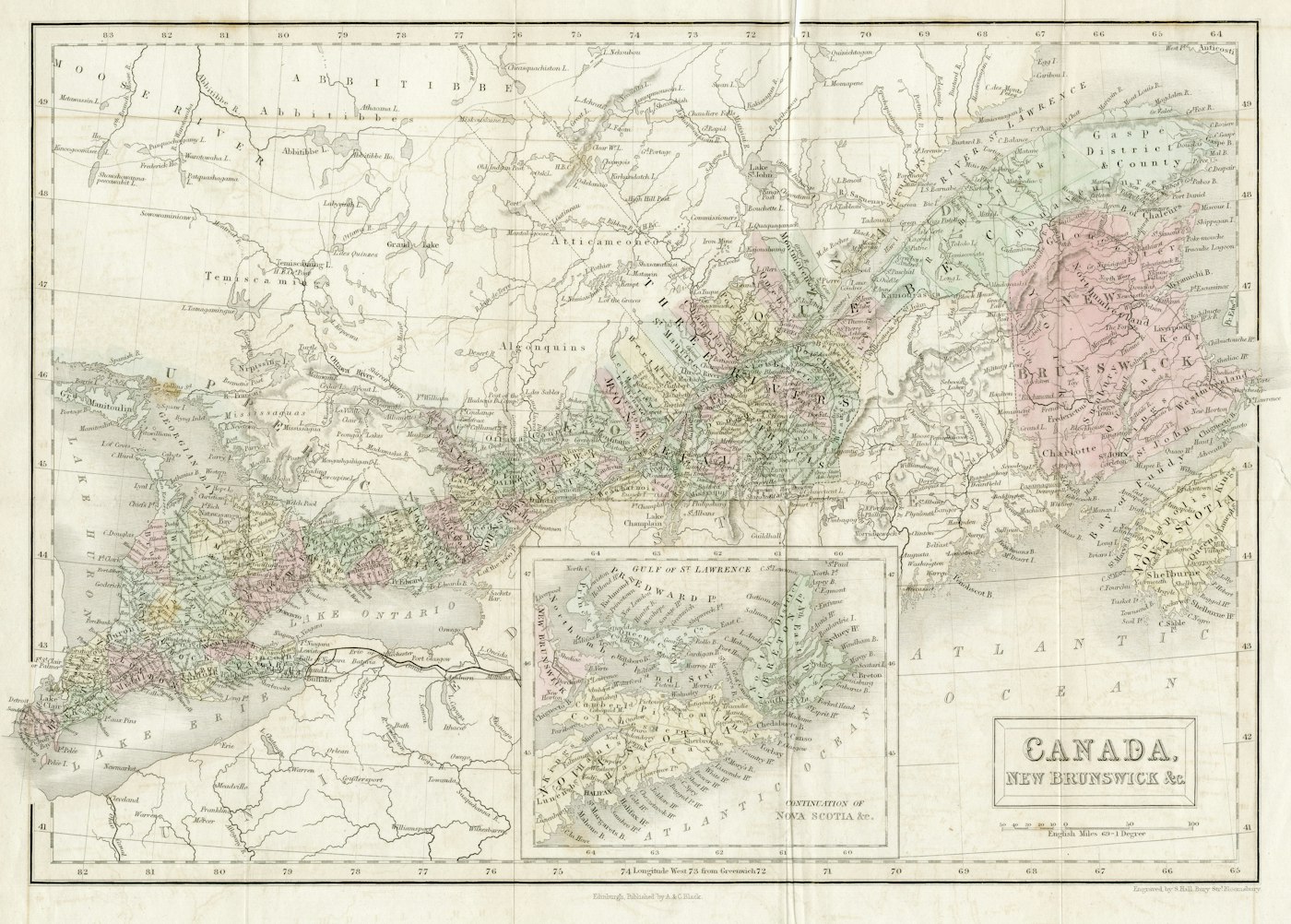
Antique map of Canada showing rivers and mountains

31 Days of Boston — Day 9

The Seven Years’ War stretched from North America to Europe, the Caribbean, Africa, and Asia—and its aftermath pushed Boston toward revolution.

Advertisement

Advertisement

Before Boston fought Britain, Boston fought within Britain’s empire. The Seven Years’ War—whose North American phase is commonly called the French and Indian War—was a global struggle involving European empires, Native nations, colonial troops, fleets, forts, and trade routes. For Bostonians, it was a moment of pride in British victory. It was also the beginning of a chain of decisions, on both sides of the Atlantic, that would turn loyal subjects into revolutionaries within little more than a decade.

A World War Before the World Wars

Fighting in North America began in the mid-1750s over control of the Ohio Country, the rich interior lands claimed by both Britain and France and long home to Native nations with their own interests. War was formally declared between Britain and France in 1756, and the conflict soon spread far beyond the forests of the frontier.

British and French forces, along with their allies, fought in Europe, on the seas, in the Caribbean sugar islands, along the coast of West Africa and in India. Prussia, Austria, Russia, Spain and other powers were drawn in. It was one of the first conflicts that could fairly be called global, and it was fought for markets, colonies and imperial supremacy as much as for territory near home.

Massachusetts Goes to War

Massachusetts contributed men and resources to Britain’s war effort. For the colony, the struggle against France was not abstract. New Englanders had fought the French and their allies repeatedly for generations, and many in Boston saw French Canada as a permanent threat to their trade, their frontier towns and their Protestant faith.

The colony raised provincial regiments, paid soldiers, supplied provisions and taxed its own residents heavily to do so. Boston, as the colony’s capital and largest port, became a center for recruitment, shipping and finance. Merchants supplied the army and navy; some prospered, while others suffered when trade was disrupted.

Advertisement

Colonists and regulars

The war also brought many New Englanders into close contact with British regular soldiers and officers for the first time. That contact was not always happy. Provincial troops often resented the strict discipline, harsh punishments and condescension they experienced. British officers, for their part, frequently dismissed colonial soldiers as poorly trained. Those impressions lingered after the fighting ended.

Victory and Its Price

Victory removed France as Britain’s principal imperial rival in much of eastern North America, but victory came with enormous expense. The fall of Quebec in 1759 and of Montreal in 1760 broke French power in Canada. The Treaty of Paris in 1763 confirmed British control of Canada and the lands east of the Mississippi, while Spain ceded Florida to Britain.

In Boston, there were celebrations. Colonists toasted the king and took pride in their part in a great imperial triumph. Yet Britain’s national debt had soared, and the cost of defending a vastly enlarged territory was only beginning.

The new problems of a larger empire

  • Defense. Britain decided to keep a standing army in North America, and someone had to pay for it.
  • The frontier. Conflict with Native nations, most notably during Pontiac’s War, led to the Proclamation of 1763, which restricted colonial settlement west of the Appalachians and angered many colonists.
  • Revenue. Officials in London concluded that colonies benefiting from British protection should share more of the cost.
  • Enforcement. Smuggling, long tolerated, was now treated as a serious drain on revenue.

From Victory to Resistance

London emerged determined to make the colonies contribute more directly to imperial costs and administration. New taxes and tighter enforcement followed. In Boston, merchants and political leaders increasingly resisted what they saw as unconstitutional interference.

The signs were there even before the war ended. In 1761, Boston lawyer James Otis argued against writs of assistance, broad search warrants that allowed customs officials to enter premises looking for smuggled goods. Otis lost the case, but his argument about the limits of government power resonated widely; John Adams, who watched, later recalled it as a turning point.

Advertisement

After the peace, the pressure increased. The Sugar Act of 1764 sought to collect duties more effectively. The Stamp Act of 1765 imposed a direct tax on printed materials across the colonies, setting off fierce protest, nowhere more dramatically than in Boston. The Townshend duties followed later in the decade, and British troops arrived in Boston in 1768. Each step made sense to officials trying to manage an expensive empire. Each looked, to many Bostonians, like a threat to the rights of English subjects to be taxed only by their own representatives.

The Great Irony

That is the great irony. Britain’s triumph helped create the conditions for Britain’s American crisis. The empire won a global war and then struggled to govern the enlarged world it had acquired. Boston became one of the places where that struggle turned into rebellion.

There is a second irony too. With France gone from Canada, colonists no longer depended on British protection from a powerful neighbor to the north. The threat that had bound New England tightly to the empire had disappeared, and with it some of the reasons to accept London’s terms.

For modern readers, the story is a reminder that victories can carry their own risks. Success changes the scale of a problem, and institutions built for one situation may not fit the next. The men who governed Britain in the 1760s were not fools; they faced real debts and real administrative questions. But they underestimated how colonists would interpret their solutions, and Boston was where that misjudgment first became impossible to ignore.

Seeing the Story in Boston Today

  • The Old State House, where colonial government met and where the writs of assistance case was argued.
  • Faneuil Hall, a marketplace and meeting space where merchants and townspeople debated imperial policy.
  • The Freedom Trail, which ties these sites to the revolutionary events that followed.

Research & Further Reading

For deeper research, consult authoritative collections including the Massachusetts Historical Society, Boston Public Library, National Park Service, Library of Congress, Massachusetts Archives, and relevant museum and university collections. Readers should verify contested details against primary and scholarly sources.

Explore More from Boston Made

Continue with the Latest Boston Made Wires, About Boston Made, The Boston Made Story and the Boston Made Portfolio.

Boston Made is an independent editorial and archival platform. Historical stories are intended to encourage further exploration of primary sources, museums, libraries, and scholarly research.
PupWear (.org) Boston Made family PupWear (.org) Dog apparel and gear inspired by Boston the GoldenDoodle. Visit site →

Advertisement

Continue Reading

Boston History

The Great Fire of 1676: The Night Boston Burned

A devastating seventeenth-century fire exposed just how vulnerable early Boston was to flame, crowding, and wooden construction.

Published

on

The Great Fire of 1676: The Night Boston Burned

31 Days of Boston — Day 4

A devastating seventeenth-century fire exposed just how vulnerable early Boston was to flame, crowding, and wooden construction.

Advertisement

Advertisement

Fire was one of colonial Boston’s most persistent terrors. Timber buildings stood close together. Chimneys, hearths, workshops, candles, and stored goods created countless opportunities for disaster. In 1676, a major fire tore through part of the town and reminded residents how quickly a settlement could be transformed into ash. It was not the last time Boston would burn, but it was one of the moments that taught the young town a lesson it would relearn for two centuries: the same closeness that made Boston thrive also made it fragile.

A Town Built of Wood and Fire

To understand why a fire could do so much damage, picture Boston in the 1670s. The town occupied a small, hilly peninsula connected to the mainland by a narrow neck. Land near the harbor was precious, so houses, shops, warehouses and taverns crowded along crooked lanes that ran down to the wharves. Most buildings were framed in timber, sheathed in wooden clapboards and often roofed with wooden shingles or thatch.

Inside, fire was part of daily life. Every household cooked over an open hearth. Candles and oil lamps lit the evenings. Blacksmiths, bakers, coopers, chandlers and brewers all relied on heat to work. Warehouses near the water held tar, pitch, rope, cloth, grain and other goods that burned readily. In winter, chimneys worked constantly and wind swept across the harbor.

The result was a town where a single spark, an unattended candle or a cracked chimney could threaten an entire neighborhood.

The Night Boston Burned

The fire of 1676 broke out in the crowded northern part of town, the area Bostonians would come to call the North End. Accounts describe flames racing from building to building, consuming dozens of houses along with shops and other structures. Among the losses was the meetinghouse of the Second Church, the congregation associated with the minister Increase Mather. A timely rain is often credited with helping bring the blaze under control.

Advertisement

The fire came at an exhausting time. New England was emerging from King Philip’s War, one of the most destructive conflicts in the region’s colonial history. Boston had sent men and money into that war and absorbed refugees from towns that had been attacked. To lose homes and a house of worship to fire in the same year added a heavy burden to a community already strained.

How fire was fought

There were no modern engines, hydrants, radios, or professional fire departments. Fighting fire meant bells, buckets, hooks, ladders, wells, and organized neighbors. A strong wind could make human effort almost irrelevant.

The basic tools were simple:

  • Bells and cries of alarm to wake the town and call people out.
  • Leather buckets, passed hand to hand in lines from wells, cisterns or the harbor.
  • Ladders to reach roofs and upper windows.
  • Fire hooks, long poles used to pull down burning walls and roofs.
  • Firebreaks, created by deliberately tearing down or even blowing up buildings in the fire’s path to starve it of fuel.

That last method shows how desperate fire-fighting could be. Sometimes the only way to save a street was to destroy part of it first.

What the Fire Taught Boston

The destruction forced Boston to think about building practices, public safety, and collective response. In the years around 1676, and especially after another serious fire in 1679, the town and colony moved toward rules intended to reduce the risk: encouraging or requiring construction in brick or stone, roofs of slate or tile rather than wood or thatch, and expectations that households keep fire-fighting equipment on hand. Enforcement was uneven, and wooden buildings remained common, but the direction was clear.

Boston also began to treat fire as a shared responsibility rather than a private misfortune. Watchmen patrolled at night. Citizens were expected to turn out and help. Over time, organized fire companies and official fire wardens took on the work that had once depended on whoever happened to be nearby.

Advertisement

The city learned early that survival required more than individual grit; it required systems.

A Recurring Boston Lesson

Later generations would confront even larger fires, including the catastrophic blaze of 1872, but the seventeenth-century fires established a recurring Boston lesson: density creates opportunity and danger at the same time.

That tension runs through the city’s history. Boston grew rich because it was crowded: merchants, artisans, sailors and families lived close together, traded constantly and shared ideas quickly. The same crowding meant that disasters spread fast. The Great Fire of 1711 destroyed the town’s center, including the Town House; the building that replaced it in 1713 survives today as the Old State House. Each fire prompted new rules, new institutions and new ways of building.

Every rebuilt street made the town more permanent. Fire destroyed property, but rebuilding also pushed Boston toward stronger civic institutions. Brick replaced timber in many places. Streets were adjusted. Public authority over safety grew. The Boston that exists today, with its brick row houses and masonry commercial blocks, carries traces of those hard lessons.

Seeing the Story Today

Almost nothing from seventeenth-century Boston’s built environment survives, in part because of fires like this one. Visitors can still sense the scale of the early town, however:

  • Walk the narrow, irregular streets of the North End and imagine them lined with timber houses and workshops.
  • Visit the Paul Revere House in North Square, a rare surviving wooden house from the late seventeenth century, built on land that had been part of the area affected by the 1676 fire.
  • Stand at the Old State House and remember that it exists because an earlier building burned.
  • Notice how much of central Boston is brick and stone, the long legacy of a town that learned to fear fire.

Research & Further Reading

For deeper research, consult authoritative collections including the Massachusetts Historical Society, Boston Public Library, National Park Service, Library of Congress, Massachusetts Archives, and relevant museum and university collections. Readers should verify contested details against primary and scholarly sources.

Useful questions to bring to those collections include: What do surviving town records say about the fire’s damage and the response? How did ministers and diarists of the period interpret it? Which building rules followed, and how well were they enforced?

Explore More from Boston Made

Continue with the Latest Boston Made Wires, About Boston Made, The Boston Made Story and the Boston Made Portfolio.

Boston Made is an independent editorial and archival platform. Historical stories are intended to encourage further exploration of primary sources, museums, libraries, and scholarly research.

Beacon Federal Partners Affiliate Beacon Federal Partners Independent government-contracting firm and Boston Made affiliate. Visit site →

Advertisement

Continue Reading
Advertisement

Advertisement

Ad

Advertisement

Trending

More doors into Boston Made

The newsstand, the brands and the AI research desk, each updated as new stories go live.

Boston Made Reader Every Boston Made story in one feed, newest first. Newest from Boston MadeBoston Holiday Lights and Events, Nov. 30 to New Year’s Eve Open Reader The brands Every company in the Boston Made family: what it does and where to find it. Boston Made+ReaderBOSSTOXBoston Made PetsPupwearThe SixFenway WebBoston Made CoffeeBoston Made Foundation See the brands BOSSTOX Research on AI infrastructure: compute, cooling, power and networks. Newest from BOSSTOXA Backup Exists; a Restore Still Needs to Be Demonstrated Read BOSSTOX
--:--·---·--°