
Financial Technology
Inflation, Interest Rates and the Fed: A Plain-Language Explainer
What is inflation, how is it measured, and why does the Federal Reserve raise or lower interest rates? This educational guide explains the basics in plain language, without jargon and without investment advice.


 Boston Made family
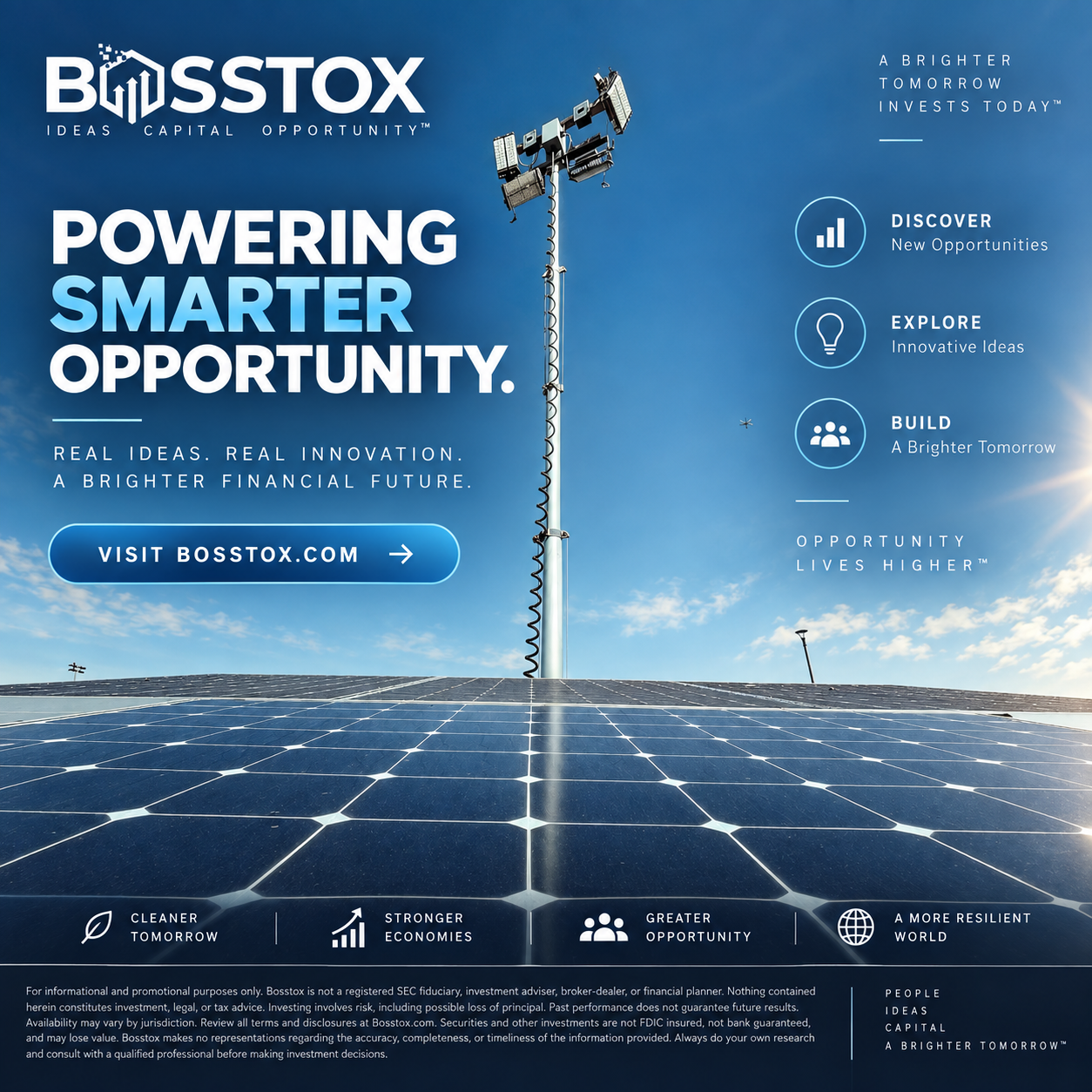
BOSSTOX
AI-infrastructure news and research covering power, cooling, chips and capital. Visit site →
Advertisement
Latest stories
View allBoston History · Nov 26, 2026The Liberty Tree: Where Boston Learned to RebelAn elm near Boston Common became a gathering place, a political symbol, and one of revolutionary America's most famous trees.Read story
Nov 26, 2026The Liberty Tree: Where Boston Learned to RebelNov 25, 2026Write Image Descriptions After You Choose the Actual CropNov 25, 2026Clash of Empires: How a Global War Changed Boston ForeverNov 24, 2026Keep a Seasonal Landing Page From Competing With Its Permanent Service PageNov 24, 2026The Great Fire of 1676: The Night Boston BurnedNov 23, 2026Check Whether Your Mobile Menu Names the Customer’s DestinationNov 20, 2026Boston Made Shares a First Look at Heart LatchNov 12, 2026Boston Made Opens Advertising on bostonmade.com and BOSSTOX With Published RatesNov 11, 2026Boston Made, Inc. Opens Brand Newsletters, Launches a Springfield City Guide and Adds Verified Sign-UpsOct 24, 2026Fenway Web Relaunches FenwayWeb.com With Published Pricing and Care PlansOct 8, 2026Now Live: DanielStricklandMusic.com Brings Daniel Strickland’s Music, Shows and Bookings Into One PlaceSep 26, 2026Road to the Rocketship, Ch. 9: What’s Next — Trackers, a Training Academy and the Grand Strand

Continue Reading

Corporate News
Boston-Based BOSSTOX Launches AI Infrastructure Intelligence Platform for Analysts and Investors
Boston-based BOSSTOX has released a new subscription platform tracking the evidence behind the AI infrastructure buildout — power, cooling, compute, and the companies making it possible.




Boston History3 hours ago
The Liberty Tree: Where Boston Learned to Rebel

Boston History1 day ago
Clash of Empires: How a Global War Changed Boston Forever

Service1 day ago
Write Image Descriptions After You Choose the Actual Crop

Videos11 months ago
Making a Music Video as an Independent Artist: Concept, Budget and Shoot Day

E-Commerce11 months ago
Building Something Bigger: The Future of Boston Made Pets Is Under Construction

Videos2 weeks ago
Boston Made Expands Creative Content with New “Bands” Music Video Series
-
 Videos2 weeks ago
Boston Made Expands Creative Content with New “Bands” Music Video Series
-

 Education1 week ago
Keep Up With Nate Launches on Boston Made Newsroom
-
 Financial Technology5 days ago
Capital Markets Reimagined
-
 Boston Made+ Exclusive4 days ago
Expanding Platform Capabilities
-
 Financial Technology1 week ago
BOSSTOX Advances Financial Innovation
-

 Web Development6 days ago
Creative Digital Solutions
-
 Web Development1 week ago
Fenway Web Drives Digital Growth
-
 Web Development1 week ago
Modern Websites That Deliver Results