

Every Boston Made brand now leads with a pinned press release, and every story flows into the free Boston Made Reader — plus a free press...


BOSSTOX expands its AI infrastructure coverage — power and grid, cooling, custom silicon, optical networking, data-center capacity and capital — plus a free data center energy...

Free profiles, a moderated national business directory, and the grants, mentorship and summit programs the Boston Made Foundation is building next — plus a giving impact...


Singer, guitarist and pianist Daniel Strickland has a new home online, with original songs, an official music video, a fan wall and live-event booking, built by...


The Yankees swept Boston at the moment the Red Sox needed a different ending. The series closed the door on a wild-card push and underlined how...

New England’s upset of Buffalo gave the Patriots more than a win. It offered an early sign that a young roster can respond to pressure, protect...

Markets are still being priced through the lens of geopolitical risk. Oil remains the quickest signal: when energy prices rise, investors begin to reassess inflation, household...
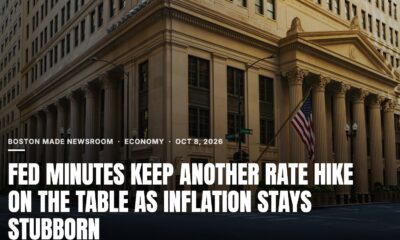

The latest Federal Reserve minutes keep another rate hike on the table as inflation remains stubborn. Officials are balancing the need to restore price stability against...

Tourism data, seasonal parking rules, and the economics of searching for a space explain why Boston Made launched Grand Strand App and Spot Check App together,...
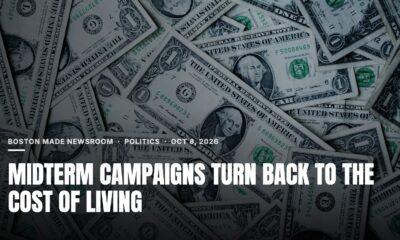

As midterm campaigns sharpen, the cost of living is returning to the center of the conversation. Voters are measuring promises against rent, groceries, insurance and the...



Twelve brands, one front door. Find the right Boston Made site in a couple of taps.
Open DiscoverEvery story from every Boston Made site lands in the Reader within a minute of going live.
Open ReadShop the Boston Made store, PUPWEAR gear for dogs and the Boston Made Pets shop.
Open ShopFollow the Where's Taylor? trail across the network or play the Boston Made Arcade. Fan-made and just for fun.
Open PlayOne free Boston Made Account works on every site. Boston Made+ is the optional paid membership for members-only stories, tools and perks.
Open CommunityWebsites, software and business services, plus the company behind the network and investor information.
Open Work with us